The art of arrival in belle époque grand hotels in Switzerland
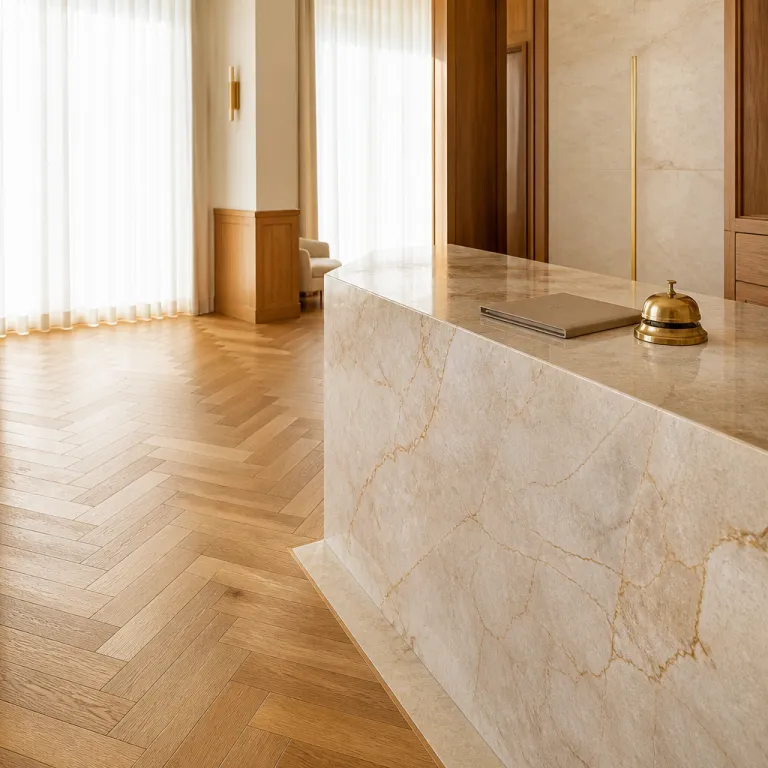
Step through the revolving door of a grand hotel and you feel time slow. In the best belle époque grand hotels Switzerland still offers, the choreography of arrival remains as deliberate as a well rehearsed stage play, from the first greeting at the hotel entrance to the last express check of your details at the front desk. For a couple based in Switzerland, this ritual is not nostalgia ; it is a reassuring signal that the stay will be handled with quiet precision.
The architecture sets the tone before a single word is spoken. Under stained glass canopies and art nouveau ironwork, the lobby of an epoque hotel frames your first impression of the hotel location, whether you are arriving from EuroAirport Basel, from Basel Mulhouse by train, or after a weekend drive across the Jura from Mulhouse Freiburg. Marble staircases, polished brass and high ceilings are not just décor ; they are part of a language of welcome that belle époque architects understood instinctively.
Service then completes the picture with small, telling gestures. A porter who knows the train station timetable, a receptionist who anticipates that you will find the lake view more restful than the city side, or a concierge who offers free late check out before you ask, all signal a house that still believes in the ceremony of check in. This is where thoughtful amenities, from seamless express check procedures to luggage handling, turn a beautiful site into a genuinely good hotel for modern Swiss travelers.
Reading the lobby: how to recognise real belle époque character
Not every historic Swiss hotel with chandeliers deserves to be called a grand hotel. When you enter a true belle époque property, the lobby tells a coherent story, from the proportions of the hall to the way the hotel restaurant opens onto the main salon. Look for original art nouveau details, such as curved balustrades, floral plasterwork and period lighting that has been rewired, not replaced.
In places like the Victoria Jungfrau in Interlaken or the Kulm Hotel in St Moritz, the arrival sequence has been carefully preserved. You move from porte cochère to reception, then to lounge and bar, in a flow that reflects the social rituals of the epoque, yet the Wi Fi, spa and wellness amenities are fully contemporary. This balance between heritage and comfort is what separates a palace hotel restored with soul from a generic renovation that could be anywhere between Basel Mulhouse and the Riviera.
Pay attention to how the hotel schweizerhof in Luzern or a palace in Montreux handles its public spaces. If the grand staircase has been kept, if the lake facing windows still frame the Alps without digital clutter, and if the hotel restaurant feels like an extension of the lobby rather than a separate canteen, you are likely in one of the top belle époque grand hotels Switzerland still celebrates. For more context on why the Gasthof and the palace hotel can coexist in the same village, the analysis in this piece on Swiss hospitality beyond the palace rate is a useful companion.
From lake promenades to mountain stations: where belle époque grand hotels cluster
Switzerland’s belle époque grand hotels follow the rail lines and the lakeshores. Around Lake Geneva, Lake Lucerne and Lake Thun, you will find a dense constellation of grand hotel façades facing the water, each with its own relationship to the station and the promenade. The hotel location is rarely accidental ; these houses were built where the first class carriage stopped and where the evening stroll could begin within minutes.
In the Alps, the pattern shifts from lake to altitude. Properties such as Badrutt Palace and Kulm Hotel in St Moritz, or the historic hotel Victoria in Glion above Montreux, were anchored to mountain railways and funiculars that made high altitude air fashionable during the belle époque. Today, these palace hotel icons still use their proximity to the station or cable car as a key amenity, especially for Swiss couples arriving by train from Basel Mulhouse or Mulhouse Freiburg to avoid parking stress.
Along the lakes, the relationship between terrace, lake and mountains remains central. A grand hotel on Lake Lucerne or Lake Geneva that has kept its original quay, gardens and lake access offers a different kind of arrival, where the boat landing is as important as the road entrance. For travelers interested in other historic properties with a similar sense of theatre, the guide to Switzerland’s grand castle hotels and palace style stays shows how this lakeside and hilltop logic extends to châteaux as well.
Modern expectations: wellness, mobility and the quiet power of good service
Staying in a belle époque grand hotel in Switzerland today means expecting both history and high function. Couples booking through a premium hotel site want clear hotel offers, transparent reviews and precise information on amenities such as spa access, parking options and whether the property is genuinely family friendly for a weekend with children. The best hotels answer these questions before you ask, with detailed room descriptions and clear maps of the hotel location relative to the station or lake.
Wellness has become the new ballroom in many of these houses. At properties like Victoria Jungfrau, Badrutt Palace or Kulm Hotel, the spa level now carries as much weight in guest reviews as the historic lobby, and a good hotel restaurant must cater to both indulgent dinners and lighter, health focused menus. Mobility is part of this modern comfort ; shuttle services from EuroAirport Basel, coordinated transfers from Basel Mulhouse or express check in for late arrivals from Zurich are no longer luxuries but expected amenities.
Service culture is where the belle époque spirit proves most resilient. A receptionist who remembers your preferred room orientation, a maître d’hôtel who notes that you will find the quieter corner of the restaurant more relaxing, or a concierge who arranges free public transport passes instead of pushing only private drivers, all show that the palace hotel mindset can adapt to contemporary sustainability. For Swiss based travelers, this blend of attentive yet discreet service is often the deciding factor when choosing between several grand hotels with similar views of the same lake.
How to choose: matching belle époque style to your Swiss getaway
When you compare belle époque grand hotels Switzerland wide, start with your travel rhythm. If you are arriving late from EuroAirport Basel or via Basel Mulhouse after work, a grand hotel near the station with reliable parking and fast express check in will feel more luxurious than a remote palace hotel reached by multiple transfers. For a slow weekend, a lake side property with a generous promenade and a hotel restaurant that encourages lingering over dessert may be the better match.
Look closely at how each hotel describes its rooms and public spaces. A house that highlights original epoque details, such as art nouveau salons, historic ballrooms and a grand staircase, and that explains how these have been integrated with modern amenities, usually has a stronger sense of identity than one that only lists spa size and room count. Cross checking independent reviews with the hotel’s own site helps you see whether the belle façade is matched by consistently good service behind the scenes.
Think also about how you like to move once you have checked in. If you prefer car free stays, a hotel Victoria style property above a lake with direct funicular access, or a hotel Moritz address in St Moritz close to both the Kulm and Badrutt Palace, will keep everything within walking distance. For winter, a refined base in the Alps such as those featured in the guide to Crans Montana ski holidays for Swiss travellers can be combined with a night in a grand hotel on the way home, turning the journey itself into part of the belle époque story.
FAQ
What defines a belle époque grand hotel in Switzerland today ?
A belle époque grand hotel in Switzerland combines late nineteenth century or early twentieth century architecture with a strong sense of arrival, including a formal lobby, generous public spaces and often art nouveau detailing. These hotels usually occupy prime locations by a lake, in a historic station town or in a pioneering mountain resort such as St Moritz or Interlaken. To qualify as truly grand today, they must pair this heritage with modern amenities, from high quality bedding and wellness areas to efficient digital services and transparent reviews.
Are belle époque grand hotels suitable for family friendly stays ?
Many belle époque grand hotels in Switzerland have adapted successfully to family friendly travel. Properties such as Victoria Jungfrau, Kulm Hotel or some lakeside grand hotels offer connecting room options, kids’ clubs, early dinner times in at least one hotel restaurant and flexible parking or transfer arrangements for families arriving by car or train. When booking, check the hotel site for specific family policies and read recent guest reviews to confirm that children are genuinely welcomed rather than merely tolerated.
How important is hotel location when choosing a historic Swiss grand hotel ?
Hotel location is crucial when you choose between belle époque grand hotels Switzerland wide, because these properties were designed around specific arrival routes. A palace hotel near a major station or boat landing can make a short weekend break far smoother, especially if you are travelling from Basel Mulhouse, Mulhouse Freiburg or EuroAirport Basel after work. For longer stays, a quieter lake side or mountain site with easy access to walking paths may matter more than immediate proximity to transport hubs.
Do belle époque grand hotels still offer good value for Swiss based travellers ?
Value in this segment is less about low rates and more about the overall experience. A well maintained grand hotel that includes generous breakfast, access to spa amenities, thoughtful extras such as free public transport passes and flexible express check out can feel like good value even at a premium price. Comparing hotel offers across several properties, and reading detailed reviews from guests with similar travel patterns, helps Swiss based travellers identify which houses deliver consistently on both service and setting.
How can I tell if a renovation has respected the original belle époque character ?
A respectful renovation keeps the architectural backbone of the hotel intact, especially the lobby, staircase, façade and main salons. If original materials such as stone, wood and ironwork have been restored rather than replaced, and if new amenities such as spa areas or additional rooms are integrated discreetly, the belle époque spirit usually survives. When a property feels like it could be anywhere, with generic corridors and a hotel restaurant that ignores the historic context, it is a sign that the renovation may have sacrificed character for uniformity.