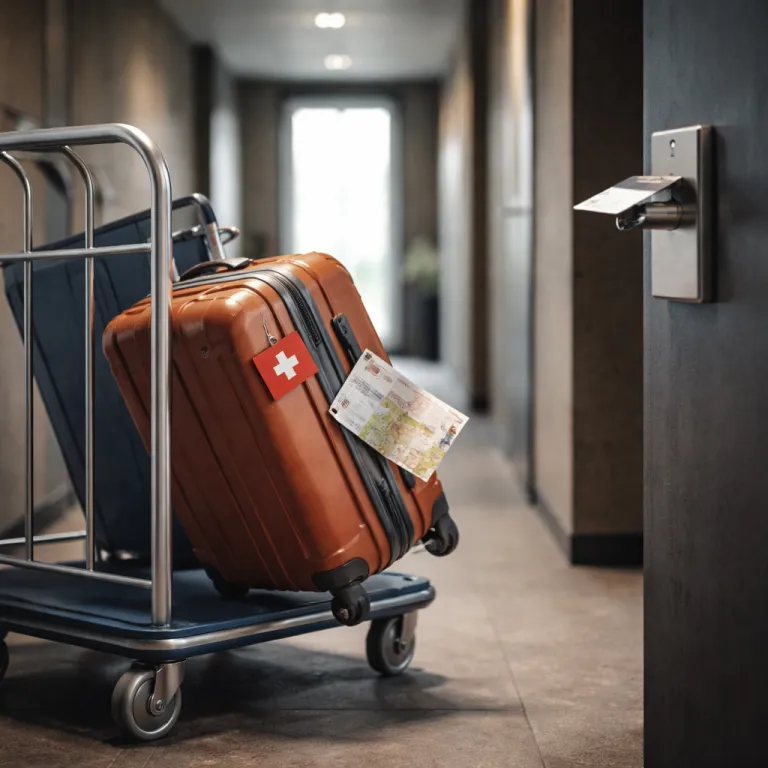
Why French hotels make sense for Swiss travelers
Crossing from Switzerland into France changes the mood of a trip in less than an hour. The language stays familiar for many Swiss travelers, but the atmosphere shifts: the pace softens, the dining room lights dim earlier, and the first glass of Champagne appears almost by default. For a weekend escape, a hotel in France often feels more like a journey than the actual distance suggests.
For a traveler based in Genève, Lausanne or Neuchâtel, the French border is not a frontier, it is a lifestyle option. One direction leads to lakefront palaces on Lake Geneva, the other to a grand house in a quiet French city with a shaded courtyard and a small spa. The choice is rarely between good and bad, but between two versions of comfort: French and Swiss. Many Swiss appreciate that staying and dining in France usually means a more theatrical approach to restaurants, with longer meals, more courses, and a stronger emphasis on the ritual of service.
When you look for a hotel in France from Switzerland, the real question is not whether it is a good idea. It is which region fits your rhythm. Paris for culture and late nights. The French Riviera for sea light and palm trees. The Alps around Mont Blanc for a familiar mountain silhouette, seen from the other side. Each area offers a different balance between city energy, resort polish and rural quiet, and each has concrete options that work well for Swiss guests.
Choosing your French region from Switzerland
From Lausanne station, the direct TGV Lyria to Paris Gare de Lyon feels almost like a shuttle. In around three hours and forty minutes, you step into a grand city where the best hotel options cluster around the Seine, the Opéra district and the quieter streets of Saint-Germain. A classic choice for Swiss visitors is Hôtel d’Aubusson in Saint-Germain-des-Prés, where double rooms typically start around CHF 450–600 per night depending on the season. Here, a luxury hotel is often defined by its dining room and its proximity to galleries, not by the size of the spa. You come for exhibitions, theatre, and the pleasure of walking home along the river at night.
Head south instead and the French Riviera takes over the imagination. Between Nice and Cannes, many Swiss travelers look for a star hotel with a sea view, a shaded terrace and direct access to the promenade. From Genève, direct flights to Nice take about 55 minutes, while the train via Lyon usually requires around six and a half hours. On the waterfront in Nice, Hôtel Negresco is a landmark option, with entry-level rooms often in the CHF 350–500 range outside peak August. The atmosphere is extrovert, almost cinematic. You spend more time outside the hotel room than inside, moving between beach clubs, old-town streets and late dinners in open-air restaurants. The hotel becomes a base camp for a long, sun-drenched day.
Turn back towards the mountains and the mood changes again. Around Chamonix and the Mont Blanc massif, the best hotel for a Swiss guest often feels surprisingly familiar. From Genève airport, the transfer to Chamonix by road usually takes about one hour and fifteen minutes in normal traffic. Wood, stone, heavy fabrics, and a spa designed for winter recovery dominate properties such as Hameau Albert 1er, where double rooms commonly start around CHF 280–400 per night outside the busiest ski weeks. The difference lies in the French kitchen: richer sauces, more game in season, and a wine list that leans towards Burgundy and the Rhône. For many from Romandie or Valais, this French–Swiss mountain dialogue is the most natural extension of home.
Understanding French luxury standards and Michelin signals
French luxury hotels speak a slightly different language from their Swiss counterparts. In Switzerland, precision and discretion dominate; in France, character and narrative matter more. A grand hotel in a French city may have creaking parquet, high ceilings and a slightly theatrical lobby, yet still deliver impeccable service. The charm is deliberate. You feel it when you cross a marble hall that has seen three generations of guests arrive from the train station with the same leather trunks.
For many Swiss travelers, Michelin distinctions are a useful compass. A Michelin starred restaurant inside a hotel usually signals a serious kitchen, a well-trained équipe and a cellar worth exploring. In Chamonix, for example, the restaurant at Hameau Albert 1er holds a Michelin star, which reassures guests who travel primarily for gastronomy. More recently, the Michelin Guide has also begun highlighting hotels where the overall experience – design, service, sense of place – reaches a higher level. When a French property combines a Michelin star with a strong hotel rating, you can expect a coherent story from breakfast to late-night digestif.
That said, the best hotel for you is not always the one with the most stars. Some travelers from Zürich or Basel prefer a smaller French house with only three or four categories of room, a compact spa and a focus on seasonal menus rather than gastronomic fireworks. Others want the full grand hotel experience, with a vast lobby, a historic dining room and a bar where the Champagne list reads like a novel. The trade-off is clear: intimacy versus spectacle, and Michelin recognition is only one part of the decision.
Border, lake and mountain : where France meets Switzerland
Along Lake Geneva, the relationship between Switzerland and France is almost domestic. From Montreux or Vevey, you see the French shore every day, and yet staying on that side feels subtly different. The hotels there often lean into a more relaxed rhythm, with terraces that stretch almost to the water and restaurants that serve long lunches under plane trees. In Évian-les-Bains, Hôtel Royal is a reference point for many Swiss guests, with typical double-room rates starting around CHF 320–450 outside major events. For a Swiss guest, it is the same lake, but another culture of time.
On the actual border, a few properties play with geography in a more literal way. One address in La Cure, for example, famously straddles the line between the two countries, with parts of the building in France and parts in Switzerland. Staying there turns switzerland france into a daily choreography; you might sleep with your head in one country and your feet in the other. It is a niche experience, but for travelers who enjoy stories, it is memorable.
Further east, the mountain arc between the Jura and the Alps offers a series of French villages that feel almost Swiss in scale but distinctly French in flavour. You might spend the day hiking with a view towards Mont Blanc, then return to a hotel room where the décor is simple but the cheese trolley is serious. For many Romands, this is the most comfortable compromise; familiar landscapes, French hospitality, and an easy drive back across the border the next morning, often in less than ninety minutes.
What to check before booking from Switzerland
Before you commit to a French hotel from Switzerland, a few practical checks make the difference between a smooth stay and a frustrating one. Location comes first. In Paris, verify the exact street and arrondissement; staying near Rue du Bac or around Saint-Sulpice means a very different daily rhythm from a room near the Grands Boulevards. In resort towns, check the distance to the train station or main transport hub, especially if you plan to arrive by rail from Genève, Lausanne or Zürich.
Quick checklist for Swiss guests booking French hotels:
- Distance to station / airport: walking minutes or transfer time in real conditions.
- Room size in m²: compare categories (classic, supérieure, deluxe) by surface, not just by name.
- Bathroom layout: confirm whether there is a solid wall and door, or an open / glass partition.
- Spa and pool hours: opening times, age limits for children, need to reserve treatment slots.
- Restaurant schedule: weekly closing day, lunch versus dinner service, and whether breakfast is included.
- Seasonality: expected atmosphere in your travel month – lively, quiet, or almost off-season.
Facilities matter, but not in the same way for every profile. If you travel for wellness, confirm the presence of a real spa with treatment rooms, not just a small sauna in the basement. If gastronomy is central, check whether the house restaurant is open every night, or if the Michelin starred table is only available on certain days. Finally, consider seasonality; a coastal hotel that feels lively in August may be almost contemplative in October, which can be either a luxury or a disappointment depending on your expectations.
Who French hotels suit best among Swiss travelers
Not every Swiss traveler looks for the same French experience. Urban explorers from Genève or Lausanne often gravitate towards city hotels where they can walk everywhere, from morning coffee to late-night wine bars. For them, the best hotel is one that blends into the neighbourhood; a place where you can step out on Rue de Rennes or near Place Saint-Georges and feel part of the city within minutes. The hotel room becomes a refined base, not the main attraction.
For couples from Zürich, Zug or Bern, the French Riviera and the wine regions hold a different appeal. Here, the priority is often a beautiful setting, a pool, and a sense of escape. A grand hotel above the sea, with a terrace for staying and dining outdoors, suits those who want to forget the office calendar. The rhythm is slow. Breakfast stretches, the spa becomes a daily ritual, and dinner in the house restaurants is the highlight of the evening. In many coastal properties, couples can expect entry-level double rooms in the CHF 300–450 bracket outside the very peak weeks.
Families and multigenerational groups often prefer the border regions and the Alps. Shorter travel times, familiar landscapes and easier logistics from Switzerland make these areas practical. A property near Chamonix or in the Jura can offer interconnecting rooms, simple but generous French-Swiss cuisine, and quick access to hiking or skiing. For these travelers, the best choice is rarely the most ostentatious star hotel, but the one that balances comfort, character and ease of movement, with transparent pricing and clear room configurations.
How to compare French and Swiss stays intelligently
Comparing a stay in France with one in Switzerland is less about ranking and more about matching mood to moment. Swiss hotels tend to excel in quiet efficiency, immaculate maintenance and a certain understated luxury. You feel it in the way a room is prepared, the precision of timing, the calm of a spa in Sils-Maria or on the Montreux lakeside. For many domestic travelers, this is the gold standard.
French hotels, by contrast, often prioritise atmosphere and narrative. A grand staircase, a slightly eccentric art collection, a dining room where the lighting is tuned like a theatre set. The experience can feel more emotional, sometimes less predictable, but rarely bland. When a French property aligns this character with strong service – often signalled by Michelin recognition or a reputation for gastronomy – the result can be deeply memorable.
For a Swiss traveler choosing between the two, the key is to be honest about your priorities. If you want absolute calm, familiar service codes and a sense of control, staying on the Swiss side of Lake Geneva or in the Engadin may suit you better. If you crave a change of script, a longer dinner, and the pleasure of discovering how another culture stages hospitality, then a carefully chosen hotel in France is not just a good choice. It is the point of the journey. And whatever you choose, remember: your travel rights reserved are not only legal, they are emotional. You are allowed to seek exactly the kind of stay that fits you now, not the one that impressed you when you last stayed in a hotel ten years ago.
FAQ
Is staying in a French hotel a good idea for travelers based in Switzerland ?
For most travelers living in Switzerland, staying in a French hotel is an excellent idea, especially for short breaks. Distances are short, cultural codes are familiar, and yet the experience feels distinctly different. You gain access to a wider range of restaurants, wine regions and coastal or rural landscapes, while keeping travel times manageable from major Swiss cities. A weekend in Paris or on the French shore of Lake Geneva is realistic without taking extra days off.
Which French regions work best for a weekend trip from Switzerland ?
For a weekend, border regions and well-connected cities are the most practical. From Romandie, the areas around Chamonix, the Jura and the French shore of Lake Geneva are ideal. From Zürich or Basel, Paris is realistic thanks to direct trains, while the French Riviera suits a long weekend if you are willing to fly or accept a longer rail journey. The right choice depends on whether you prioritise nature, culture or sea, and on how much time you want to spend in transit versus at the hotel.
How should I compare French and Swiss hotels before booking ?
Start with location and access, especially in relation to train stations and main roads. Then compare room sizes and categories carefully, as naming conventions differ between the two countries. Finally, look at the style of hospitality; Swiss hotels tend to emphasise discretion and precision, while French properties often focus on atmosphere and gastronomy. Choose according to the mood you want for this specific trip, not according to a generic ranking of which side of the border is “better”.
Are Michelin distinctions useful when choosing a French hotel from Switzerland ?
Michelin stars and other distinctions in the guide can be very useful indicators. A Michelin starred restaurant inside a hotel usually signals serious culinary ambition and a strong service culture. Additional mentions highlight hotels where the overall experience stands out. While these labels should not be your only criteria, they help identify properties where food, wine and sense of place are treated as core elements of the stay, which many Swiss travelers value highly.
Who benefits most from choosing France over Switzerland for a hotel stay ?
Travelers who want a change of cultural rhythm benefit most from choosing France. Couples seeking romance, food-focused guests, and those who enjoy longer dinners and expressive service often find French hotels particularly rewarding. Families and border residents also gain from the variety of landscapes and experiences available within a short distance, from mountain villages facing Mont Blanc to coastal towns on the Mediterranean. For many Swiss, this mix of proximity and difference is exactly what makes a French stay so attractive.