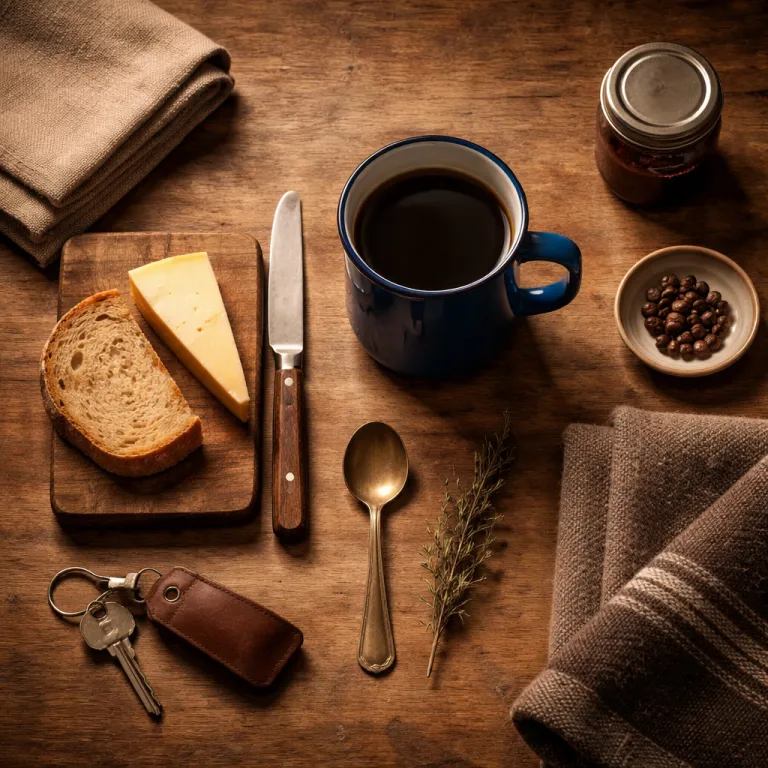
Gasthof tradition in a luxury market obsessed with palaces
The Swiss hotel market is racing upmarket, with luxury and premium hotels driving much of the growth in Switzerland. As international brands chase a forecast hotel revenue of around USD 15.70 billion within the next few years (Statista, Swiss hotel market outlook 2024, accessed March 2024), the quiet inn at the village edge can feel almost invisible. Yet this long-standing gasthof culture remains the backbone of how many residents actually travel.
Where a palace hotel in the Swiss Alps sells a curated spectacle, a traditional Swiss inn offers something more elemental and less choreographed. A gasthof is, by definition, a traditional Swiss inn offering lodging and dining. That simple sentence hides a complex ecosystem of family ownership, regional cuisine, and historic rooms that have evolved over decades, since the first half-timbered inns opened their doors to mule caravans and early traders.
Across Switzerland there are around 100 officially recognised Swiss Historic Hotels and inns (Swiss Historic Hotels Association, 2024 list, consulted April 2024), yet the real number of traditional guesthouses is far higher. Many of these are not marketed as luxury Swiss hotels, but they quietly deliver the kind of hospitality that high-end brands try to imitate. For a traveler based here, the question is not palace versus pension; it is which mountain hotel or village gasthof still feels genuinely rooted in place.
Consider Gasthof Kreuz Egerkingen in the Solothurn Mittelland, where the half-timbered façade frames a restrained, contemporary interior. The rooms are not vast, yet each one is calibrated for comfort, with good beds, practical desks, and the kind of silence business guests crave after a day on the road. Downstairs, the dining room focuses on regional produce, proving that traditional Swiss innkeeping can sit comfortably beside modern expectations of quality.
Near Bern, Gasthof Sternen Thörishaus occupies that liminal space between city and countryside that many Swiss guests now prefer. You can commute into the capital in minutes, then return to a hotel where the room layout still feels like a village inn rather than a corporate block. Here the classic Swiss menu and the relaxed bar show how a historic hotel can serve both commuters and leisure guests, without losing its soul.
Higher in the Alps, Gasthof zur Post Hasliberg is a family-run, chalet-style mountain hotel that blends tradition with discreet modernity. The rooms are lined with wood, the balconies open to mountain views, and the rhythm of the day still follows the kitchen rather than the spa timetable. This is small-scale alpine hospitality at altitude, where guests step straight from the room to the hiking trail rather than to a marble lobby.
These three properties illustrate a pattern repeated across Switzerland, from the Lauterbrunnen Valley to the Jura ridges. The gasthof format is not a nostalgic relic; it is a flexible framework that can absorb Wi‑Fi, cardless check-in, and even a small pool or compact spa without losing its essential character. As one Bernese Oberland innkeeper put it in a 2023 regional tourism survey, “Guests want fibre internet and hot showers, but they still choose us because the house feels like it belongs to the village.” When you book your next Swiss hotel stay, the real luxury may be the dining room where the owner still knows every supplier by name.
What a gasthof offers that a palace never will
For a Swiss-based traveler used to corporate rates at global hotels, the contrast with a traditional inn can be disorienting. There is no brand playbook, no identical hotel rooms from Zurich to Singapore, and rarely a rooftop pool with a DJ. Instead, this style of Swiss hospitality offers something harder to price on a spreadsheet: genuine locality.
In a good mountain hotel the owner is usually on site, and the staff often live within a few kilometres of the property. That proximity means the dining room menu reflects the valley rather than a global concept, and the wine list might feature a neighbour’s Pinot Noir instead of a generic international label. When a guest asks about the best view of the Swiss Alps, the answer comes from lived experience, not from a script written for social media.
Compare that to a cruise-ship-style resort hotel, where the same spa treatment menu and pool bar snacks appear from the Caribbean to the Mediterranean. Those hotels have their place, especially for families who want predictable facilities and tightly packaged offers. Yet for many Swiss guests, especially those extending a business trip into a weekend, the more compelling choice is a historic country inn where the mountain and the village still set the pace.
Historic hotels in Switzerland often sit in buildings that predate the modern tourism industry by centuries. Some of these half-timbered inns have been welcoming guests since long before the first grand hotel Bellevue opened its doors in the Alps. Staying in such a historic hotel is not about museum-style nostalgia; it is about sleeping inside the same walls that have sheltered traders, pilgrims, and skiers across generations.
For travelers who enjoy castle stays and palace suites, there is a natural bridge between these gasthof properties and the grander Swiss historic estates. Our guide to Switzerland’s grand castle hotels and luxury stays in historic palaces and châteaux shows how the same culture of hospitality runs from fortified hilltop to village inn. The difference is that in a gasthof the owner might pour your wine, while in a castle hotel the service is filtered through layers of staff.
Price is another quiet advantage of this traditional Swiss inn format, especially for domestic travelers paying out of pocket rather than on an expense account. A well-run Swiss hotel in this category will rarely match palace-level rates, yet it can still offer refined rooms, a small spa area, and carefully curated menus. Industry snapshots from 2023 suggest that average daily rates in many rural three-star inns remain 20–30% below comparable city properties, even when service levels feel similar. The value lies not only in the lower bill, but in the sense that every franc spent circulates within the local economy.
There is also a question of spontaneity, something that high-end hotels struggle to deliver within their brand standards. At a gasthof the owner can decide on a last-minute fondue evening when the snow arrives early, or open the terrace late because the sunset over the Lauterbrunnen Valley is too good to miss. That agility, rooted in traditional Swiss hospitality, is precisely what many residents seek when they escape their structured weekday lives.
How to choose the right historic inn for a Swiss based stay
Choosing the right gasthof as a Swiss resident is less about chasing star ratings and more about aligning your own rhythm with the property’s. Start by deciding whether you want a mountain hotel with direct access to trails, or a village inn that balances countryside calm with rail connections. Then look beyond glossy photos to the details that signal authentic, place-based hospitality.
Room descriptions matter more than ever when you already know the region and care about nuance. A good Swiss hotel will be transparent about room size in square metres, bed type, and whether the view faces the Alps or the village street. For business-leisure travelers, the difference between a quiet room at the back and a panoramic view over the Swiss Alps can define whether a stay feels restorative or performative.
Facilities should be read with the same critical eye you would apply to a palace property. Some historic hotels now feature a compact spa, perhaps a sauna and relaxation room carved out of former storage spaces, while others focus on culinary excellence and skip the wellness trend entirely. If a pool is essential for your family, check whether it is a full-length facility or a small plunge pool that simply cools guests after a hike.
Food remains the clearest expression of Swiss inn culture, especially in rural regions. Menus that name local farmers, alpine cheesemakers, and regional butchers usually indicate a serious commitment to place, not just marketing language. When a dining room lists seasonal dishes rather than a fixed international card, you can expect a more grounded experience than in many chain hotels.
Online presence is useful, but it should not be your only filter. Some of the best Swiss historic inns still have modest websites and limited social media activity, yet they maintain full occupancy through repeat guests and word of mouth. In a 2022 cantonal tourism report, one Graubünden gasthof owner summarised it simply: “We fill our rooms because people come back with their children, not because we post every day.” When a property invites you to subscribe to a simple newsletter rather than pushing aggressive packages, it often signals confidence in long-term relationships over quick wins.
Policy pages deserve a glance, even for short domestic stays. A clear privacy policy, transparent cancellation terms, and straightforward booking conditions show that a Swiss hotel takes both regulation and guest trust seriously. For frequent travelers, aligning your own expectations with these rules avoids friction at check-in and lets you focus on the mountain view or the quiet of your room.
Finally, do not underestimate the value of direct communication with the property. A short email asking about specific rooms, late arrival, or family needs will reveal how the team thinks about hospitality. The speed and tone of the reply often tell you more about the guest experience to come than any polished brochure.
Keeping the gasthof format alive in a changing Swiss landscape
The pressures on independent gasthof owners are real, and they are intensifying as the luxury segment expands across Switzerland. Rising wages, energy costs, and staffing shortages hit a 20-room mountain hotel far harder than a 200-key city property backed by an international group. Yet this is precisely why traditional Swiss inns need active support from domestic travelers.
Industry analyses, such as RoomPriceGenie’s work on Swiss hospitality trends (RoomPriceGenie, Swiss Market Report 2023, published November 2023), highlight how smaller, family-run hotels are most exposed to volatility. These properties often operate in historic buildings that require constant maintenance, from half-timbered façades to slate roofs battered by alpine weather. At the same time, guests now expect reliable Wi‑Fi, modern bathrooms, and sometimes even a small spa corner, all of which demand capital investment.
Many of the most characterful Swiss historic inns are still family businesses, with two or three generations sharing duties between kitchen, reception, and housekeeping. That multi-generational continuity is a core part of traditional Swiss hospitality, but it also depends on younger family members seeing a future in the trade. When you choose a gasthof over a chain hotel, you are effectively voting for that continuity with your overnight bill.
Some travelers worry that historic hotels may feel dated or lack the polish of newer properties. It is a fair concern, and there are certainly inns where the décor has not kept pace with guest expectations, or where the pool and spa remain aspirational rather than real. The answer is not to abandon the format, but to reward those Swiss hotel owners who are investing intelligently in comfort while preserving the bones of their buildings.
Across the Lauterbrunnen Valley and the wider Bernese Oberland, for example, several inns have quietly renovated floor by floor, refreshing each room while keeping traditional woodwork and mountain views intact. Others have partnered with regional tourism boards to position themselves alongside panoramic destinations such as Schilthorn – Piz Gloria, where our in-depth guide to the new panoramic station above the Bernese Alps shows how infrastructure and heritage can coexist. These collaborations prove that small historic hotels can thrive within a modern tourism ecosystem.
Digitalisation is another frontier where independent properties must tread carefully. A thoughtful online booking engine, clear privacy policy wording, and responsive email communication are now basic expectations, yet they should never replace the human warmth that defines a good gasthof. Used well, technology can free the équipe to spend more time with guests, rather than trapping them behind screens.
For Swiss-based travelers, the most effective support is also the simplest. Book directly with the hotel when possible, stay an extra night instead of rushing home, and share balanced feedback that highlights both strengths and areas for improvement. As one industry summary puts it with useful clarity: “A traditional Swiss inn offering lodging and dining.” “Yes, many cater to families with suitable accommodations.” “Do ‘Gasthof’ hotels offer modern amenities?” “Yes, they blend historic charm with modern comforts.”
Key figures shaping gasthof and historic inn stays in Switzerland
- The Swiss Historic Hotels Association reports around 100 recognised historic gasthof-style hotels across Switzerland (Swiss Historic Hotels Association, 2024 directory, accessed April 2024), forming a critical mass of heritage properties that anchor cultural tourism in both cities and alpine regions.
- Industry forecasts place the Swiss hotel market at approximately USD 15.70 billion in annual revenue within the next planning cycle (Statista, Swiss hotel revenue forecast 2024–2028, retrieved March 2024), with luxury and premium hotels driving a significant share of that growth while traditional inns compete on authenticity rather than scale.
- Gasthof properties typically operate with far fewer rooms than chain hotels, often between 10 and 40 keys, which increases sensitivity to seasonal swings but allows highly personalised hospitality for repeat guests.
- Ongoing initiatives by regional tourism boards and local farmers aim to keep more of each franc spent in a gasthof within the immediate community, reinforcing the economic argument for choosing historic hotels over anonymous international brands.
- Rising interest in authentic travel experiences and regional cuisine, highlighted in multiple Swiss tourism surveys between 2021 and 2023, continues to support demand for traditional Swiss inns even as new luxury openings reshape the top end of the market.