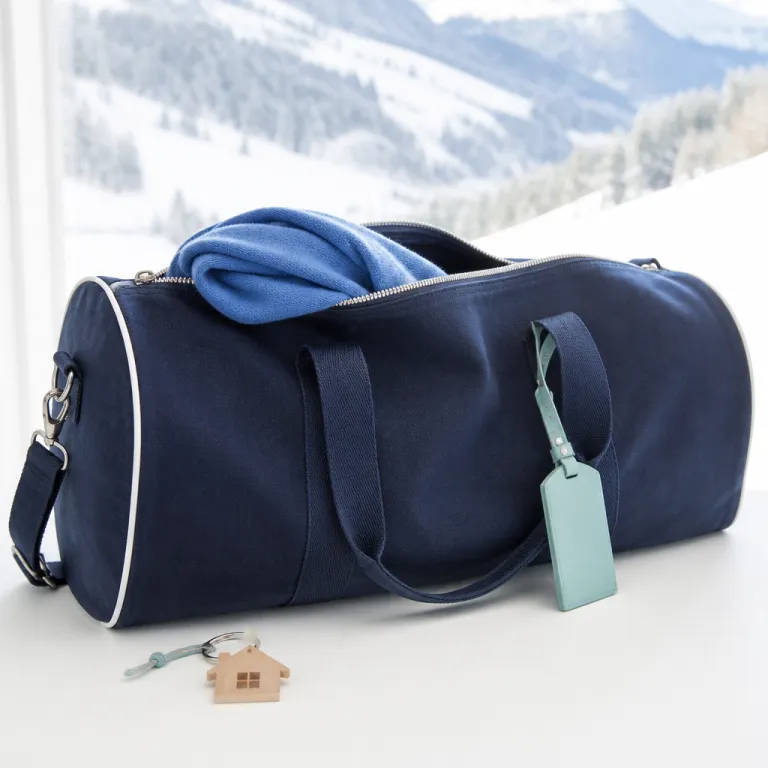
How to choose luxury hotels at the best ski resorts in Switzerland
Choosing where to stay in the best ski resorts Switzerland offers starts with clarifying how you like to ski and travel. On a short winter break you may want a compact ski resort with direct access to gentle slopes for relaxed skiing by day and refined après ski in the evening, while a longer stay will often justify a larger ski area with varied runs and a wider choice of luxury properties. For a traveller already based in Switzerland, the decision often comes down to balancing transfer time from hubs such as Zurich, Geneva or Bern, the character of the mountain village, and how well the hotel aligns with your skiing style.
Look first at the size and layout of each ski area, because the number of slopes and the quality of the lift network will shape every day on the mountain. Verbier in the 4 Vallées, for example, offers around 410 to 412 kilometres of pistes for intermediate and advanced skiers according to Téléverbier and the official 4 Vallées lift company, while Aletsch Arena suits quieter days of relaxed skiing with family friendly hotels close to the runs. When you compare resorts, check how the main cable car stations connect to your preferred hotel, since a short walk in ski boots feels very different from a shuttle ride at the end of a long winter day.
Luxury travellers should also examine how each alpine resort handles services such as ski passes, ski touring guides, and cross country trails. Some Swiss ski resorts participate in regional products such as the Magic Pass, which can be excellent value if you plan several days of skiing across different mountain areas in western Switzerland, as confirmed by the pass operator and regional tourism boards. When a hotel concierge understands these passes and local ski school options well, your stay becomes smoother and you spend more time enjoying the slopes and less time queuing or comparing tariffs.
Zermatt and the Matterhorn: iconic alpine stays for Swiss skiers
Zermatt consistently ranks among the best ski resorts Switzerland has for travellers who value both serious skiing and high end hospitality. The car free village sits beneath the Zermatt Matterhorn, and many luxury hotels frame the mountain perfectly so that every day begins and ends with that unmistakable silhouette. With roughly 360 kilometres of marked runs shared between Zermatt and the linked Italian ski area of Cervinia and Valtournenche, as reported by the local lift company and Valais tourism, skiers can spend several days exploring varied pistes without repeating the same lines.
For a Swiss based traveller, Zermatt works especially well for long winter weekends, because the resort combines reliable snow with polished service and efficient lifts that run up to glacier level. Typical rail journeys take about 3.5 hours from Zurich and around 3 hours from Bern with one or two changes, according to Swiss Federal Railways timetables, which feels manageable for a three or four night stay. The ski area caters to intermediate and advanced skiers with long red and black runs, yet there are also gentle slopes near the village for mixed ability groups and families. If you want a deeper look at where to stay, an elegant guide to alpine stays in the heart of Zermatt Switzerland on this specialist Zermatt hotel page offers a curated overview of premium properties close to the main lifts and the historic village centre.
Luxury hotels in this alpine resort typically provide ski rooms with heated lockers, in house ski pass purchase, and private transfers to the Gornergrat railway or the Matterhorn Express cable car. Many also arrange guided ski touring days on the higher glaciers or cross country excursions in nearby valleys for guests who want a change from piste skiing. When you compare Zermatt with another Swiss ski resort, remember that the combination of car free streets, high altitude winter sports, and refined après ski lounges is rare even among top tier ski resorts, a point often highlighted by Valais tourism and the Swiss national tourism office.
Graubünden’s grand resorts: St. Moritz, Davos Klosters and quiet alpine retreats
In the eastern Swiss Alps, the canton of Graubünden offers some of the best ski resorts Switzerland can present to travellers who appreciate heritage hotels and discreet service. St. Moritz is renowned for luxury and glamour, offering around 350 kilometres of pistes across the Engadin valley that attract confident skiers and international guests seeking winter sports with a cosmopolitan edge, according to the official Engadin St. Moritz tourism office. The resort’s lakeside setting and wide open slopes suit long carving runs by day, followed by sophisticated après ski in historic bars and contemporary lounges.
Davos Klosters forms another major ski area in this region, with several linked mountains that appeal to intermediate and advanced skiers and freeriders. The Davos side feels more urban, while Klosters retains the charm of a traditional alpine village, and luxury hotels in both places understand the expectations of Swiss guests who arrive for several days of focused skiing. Many properties offer direct access to cable car stations, private ski guides, and quiet spa zones where you can recover after demanding runs.
If you prefer something more low key yet still premium, consider the Graubünden trio of Flims, Laax and Lenzerheide, which Swiss families often keep to themselves. A detailed guide to hotels in Flims Laax and Lenzerheide for Swiss families highlights properties that combine family friendly facilities with quick access to the main ski lifts and snow sure slopes. Across Graubünden, you will find excellent options for ski touring, cross country tracks through silent forests, and multi day stays that balance serious skiing with calm mountain evenings, supported by reliable snowmaking and lift systems documented by local tourism boards.
Bernese Oberland elegance: Grindelwald Wengen, the Eiger and alpine panoramas
The Bernese Oberland offers some of the most dramatic scenery among the best ski resorts Switzerland promotes to international and local guests. Grindelwald Wengen sits beneath the famous Eiger, Mönch and Jungfrau peaks, and the ski area here combines about 210 to 211 kilometres of slopes with views that stay with you long after winter ends, according to Jungfrau Railways and the regional tourism office. Luxury hotels in both villages often frame these mountains from their suites, so skiers wake to a panorama that feels almost theatrical.
Grindelwald suits travellers who like a lively alpine resort with modern lifts and new terminals, while Wengen appeals to those who prefer a quieter, car free village atmosphere. Mixed ability groups work particularly well here, because the ski area offers gentle runs for cautious skiers alongside steeper pistes for intermediate and advanced guests who want more challenge. Many premium properties provide ski in access or quick transfers to the main cable car stations, ensuring that every day on the mountain begins smoothly.
For Swiss based travellers planning several days in this region, it is worth checking how your chosen hotel handles ski passes, ski school bookings, and guided winter sports such as ski touring or cross country excursions. Typical rail transfers take around 2.5 hours from Zurich to Grindelwald or Wengen via Interlaken, based on Swiss Federal Railways journey planners, which makes the area practical for long weekends. Some resorts in the wider area participate in regional passes similar in spirit to the Magic Pass, which can be attractive if you like to explore multiple ski resorts over a season. When you compare Grindelwald Wengen with other Swiss ski resorts, remember that the combination of the Eiger and Mönch skyline, historic mountain railways, and refined yet relaxed après ski is unique in the Bernese Oberland.
Valais highlights beyond Zermatt: Crans Montana, Saas Fee and alpine lake escapes
The canton of Valais concentrates many of the best ski resorts Switzerland offers, and not only the famous slopes of Zermatt. Crans Montana spreads across a sunny plateau above the Rhône valley, with a ski area that suits both intermediate and advanced skiers and families who value wide, confidence building runs. Luxury hotels here often emphasise wellness, with large spas and panoramic pools that make winter days feel almost Mediterranean despite the snow covered mountain backdrop.
Saas Fee, sometimes called the pearl of the Alps, is another high altitude ski resort that appeals strongly to Swiss based travellers seeking reliable snow. The village is largely car free, and the surrounding ski area reaches glacier heights of around 3,600 metres, which allows for long seasons and excellent conditions for both piste skiing and ski touring according to the official Saas Fee tourism office and lift operator. Premium properties in Saas Fee tend to be close to the lift stations, and many offer in house ski rental, ski pass sales, and guided cross country outings for non skiers in the group.
If you like to combine winter sports with moments by the water, consider planning part of your stay around one of the great Swiss lakes. A dedicated guide to the best lake hotels in Switzerland for swimming, including properties with private beach or dock access, shows how easily you can pair a week of skiing in Valais with a few quiet days beside a calm lake. This kind of multi centre itinerary works especially well for travellers who live in Switzerland, because short rail journeys connect ski resorts, lakeside towns, and mountain villages into one elegant alpine escape.
Smart booking strategies for luxury alpine retreats in Swiss ski resorts
Booking luxury hotels at the best ski resorts Switzerland offers rewards careful timing and a clear sense of priorities. Peak winter periods around public holidays fill quickly, so Swiss based travellers who can arrive midweek often secure better suites and quieter slopes for the same budget. Many high end properties in resorts such as Zermatt, Crans Montana, Davos Klosters and Saas Fee release their most desirable rooms early, and these will disappear long before the first major snowfalls.
When comparing options, look closely at how each alpine resort integrates with the wider ski area and transport network. A hotel that sits a short walk from a main cable car or railway station can save you an hour every day, especially in larger ski resorts with several separate sectors. Check whether your chosen property offers in house ski pass purchase, private transfers to lift stations, and concierge support for arranging ski touring guides, cross country lessons, or other winter sports activities.
It is also wise to consider how flexible your plans need to be across several days of skiing. Some Swiss ski resorts are included in regional products such as the Magic Pass, which can be excellent value if you like to sample different slopes over a season rather than stay in one resort. For travellers who want clear comparisons between destinations, remember these verified insights from trusted guides and official summaries: “Verbier, part of Les 4 Vallées, offers about 410 to 412 km of pistes. (timeout.com, corroborated by Téléverbier)” and “St. Moritz is renowned for its luxury and glamour. (timeout.com, echoed by Engadin St. Moritz tourism)” and “Villars is ideal for beginners, offering roughly 87 km of gentle slopes. (timeout.com, consistent with resort data)”.
Key figures about Swiss ski resorts and luxury stays
- Switzerland counts around 200 ski resorts across its alpine regions, which means luxury travellers can choose from a wide range of mountain villages and ski areas for both short and long winter stays (Swiss Tourism Federation and regional tourism offices).
- The largest single ski area in Switzerland offers approximately 410 to 412 kilometres of pistes, giving intermediate and advanced skiers enough varied runs to ski different slopes every day for an extended holiday (Time Out Switzerland guide to ski resorts, aligned with Téléverbier figures).
- The highest ski lift in Switzerland reaches about 3.9 kilometres in altitude, allowing ski resorts with glacier access to maintain reliable snow conditions well into spring and to support late season skiing for dedicated skiers (Snow-Online overview of Swiss ski resorts and data from lift operators).
- Peak winter season typically runs from January to February, while December and March to April provide slightly quieter slopes and more flexible hotel availability for Swiss based guests who can travel outside school holidays (Swiss tourism board seasonal summaries and cantonal statistics).
- Across the country, advanced snowmaking technologies and extensive networks of ski lifts, gondolas and cable cars help maintain consistent ski area quality, which supports both local economies and the long term appeal of Swiss winter sports destinations (reports from local tourism boards, ski lift operators and the Swiss Federal Office for Sport).
FAQ about luxury hotels and the best ski resorts in Switzerland
Which Swiss ski resort is best for beginners staying in a premium hotel ?
Villars is widely recommended for beginners, because it offers roughly 87 kilometres of gentle slopes and a good choice of comfortable hotels close to the ski area. The village atmosphere is relaxed, ski schools are well organised, and the terrain allows new skiers to progress steadily over several days. For a Swiss based traveller, the relatively short transfer of around 1.5 to 2 hours by train from Geneva or Lausanne and the clear layout of the resort make it an appealing option for a first skiing holiday.
What is the most luxurious ski resort in Switzerland for hotel stays ?
St. Moritz is often cited as the most luxurious ski resort in Switzerland, with grand hotels, designer shopping and a long tradition of high society winter sports. The resort combines extensive skiing with fine dining, private concierge services and exclusive events throughout the season. Travellers who value heritage properties, lakeside views and polished service will find St. Moritz particularly compelling, a reputation supported by the Engadin tourism office and international travel publications.
Which resort offers the most extensive ski area for a longer stay ?
Verbier, as part of the 4 Vallées, provides access to around 410 to 412 kilometres of pistes, making it one of the most extensive ski areas in the country. This scale suits intermediate and advanced skiers who want new runs every day and enjoy exploring different sectors of a linked ski domain. Luxury hotels in Verbier often cater to this style of guest, with early breakfast, ski in access and knowledgeable concierges.
How far in advance should I book a luxury hotel in a Swiss ski resort ?
For peak winter weeks, it is prudent to book premium hotels at least several months in advance, especially in high demand resorts such as Zermatt, St. Moritz, Davos Klosters and Saas Fee. Swiss based travellers who can be flexible with dates sometimes find excellent availability outside school holidays, even when booking closer to arrival. However, signature suites and rooms with the best mountain views usually sell first, so early planning remains the safest strategy.
Are Swiss ski resorts suitable for non skiers staying in luxury properties ?
Many of the best ski resorts Switzerland offers are very comfortable for non skiers, particularly when you choose hotels with extensive spa facilities, fine dining and easy access to winter walking trails. Resorts such as Crans Montana, Grindelwald Wengen and Zermatt provide scenic excursions by mountain railway or cable car, so non skiers can enjoy the alpine landscape without using the slopes. When booking, ask the hotel about non skiing activities, guided walks and cultural events to ensure every member of your party has rewarding days in the mountains.