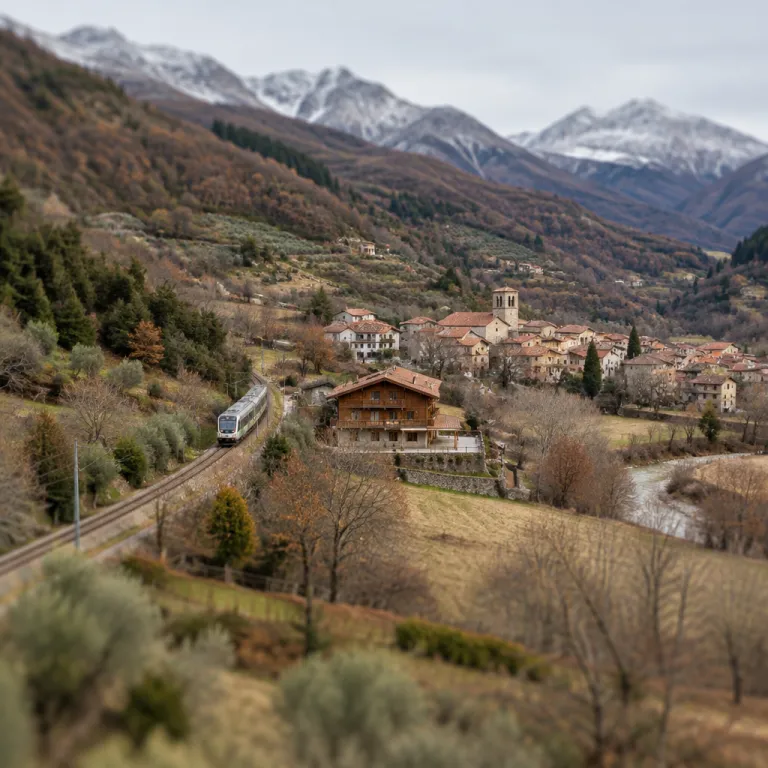
Why sustainable travel in Switzerland’s November off season matters
November in Switzerland sits between autumn colour and full winter, a season many travelers skip. Yet this quiet shoulder month still supports hotels, spreads demand across the annual tourism calendar, and keeps pressure low on fragile landscapes. For a Swiss resident planning a trip, it is the rare time when you can enjoy space, attentive service, and low season rates without sacrificing comfort.
Data from the Swiss Federal Statistical Office and Switzerland Tourism indicate that the share of tourist nights in November can fall close to four percent of the annual total, which is remarkably low for a country as visited as Switzerland. That low volume means your travel choices in this shoulder season have outsized impact on local jobs, especially in mountain properties that keep teams employed between the busy ski season and the quieter January–February lull. When you book a premium room in this period, you help maintain year round contracts instead of short seasonal hires, which is one of the most concrete things Switzerland tour planners can do for sustainable travel.
Off peak travel also reduces strain on transport and energy systems, which is central to any serious November sustainable travel strategy in Switzerland. Trains run anyway, but car traffic drops, so choosing the train for your trip from Zürich to Interlaken or Zermatt cuts per person emissions while keeping the Swiss rail network viable for residents. Environmental assessments from Swiss energy and mobility agencies highlight that November’s low season patterns lower congestion, reduce the need for extra heating and cooling capacity, and make it easier for cities to manage weather related challenges without resorting to short term fixes.
The November paradox: low season, high impact stays for Swiss travellers
Ask most Swiss friends about November and you will hear the same words: grey, damp, uninspiring. Yet for a traveler based in Switzerland who values responsible tourism, this supposedly dull season is when the country feels most authentic, with time to talk to hoteliers and space to enjoy food that is cooked for locals rather than for tour groups. The November off peak pattern means you can visit Switzerland on your own terms, choosing a mountain hideaway or a city address without the usual peak season compromises.
Industry analyses from Swiss hotel associations show that hotel prices in November often sit twenty to thirty percent below August, and some luxury properties quietly go even lower when the weather forecast looks stubbornly foggy. Those low rates do not mean low quality; instead they reflect a deliberate strategy to keep rooms occupied, retain qualified staff, and avoid the feast or famine cycle that still defines the ski season in parts of the Swiss Alps. When you book during this shoulder season, you help smooth revenue, which in turn funds renovations, energy efficient upgrades, and better working conditions for the staff behind the scenes.
One off season travel case study summarises the situation clearly: "November is Switzerland’s quietest month offering sustainability benefits via low crowds, reduced infrastructure strain, and lower emissions." That quietness is exactly why a Swiss resident can plan a short trip by train to Zürich, Interlaken, or along Lake Geneva and feel the city or resort breathing at a normal rhythm. For more context on how quieter periods reshape hospitality, analyses published around World Tourism Day by Swiss tourism bodies show how low season and shoulder season strategies are becoming central to responsible luxury in Switzerland.
Where November shines: fog, thermal baths, and city lights
Valley fog defines the weather in much of Switzerland during November, but that does not mean your trip has to feel gloomy. The trick is to use the November shoulder season to play with altitude, spending time in cities for culture and then riding a cable car or mountain train above the cloud line for sun and views. When you plan your travel this way, you respect the season while still finding light, which is one of the most satisfying things Switzerland offers its own residents.
Cities such as Zürich, Geneva on Lake Geneva, Lausanne, and Basel come into their own in this period, with museums, galleries, and concert halls in full swing while the first Christmas markets start to appear in late November. You can enjoy food that ranges from refined tasting menus to street food stalls serving raclette, roasted chestnuts, and regional specialities, all without the queues that define March–April or the height of winter sports holidays. Many luxury hotels in these cities now pair spa access with curated cultural programmes, so your visit Switzerland itinerary can balance thermal baths in the afternoon with a performance or exhibition in the evening.
Mountain destinations also offer a different character before the ski season fully opens, especially in places like Zermatt, Interlaken, and the smaller villages of the Swiss Alps. Some lifts and cable car lines pause for maintenance, yet others stay open, giving you quiet access to panoramic views and late autumn hiking trails that feel almost private. For a deeper look at how high altitude stays can be both stylish and sustainable in the low season, the guide to where to stay in style in Grindelwald for Swiss based travelers on my Switzerland stay shows how carefully chosen properties turn this in between season into a highlight.
How to book sustainable luxury in the Swiss November shoulder season
For a Swiss resident, the most sustainable November travel choice usually starts with the train rather than the car. The national network makes it easy to plan a Switzerland tour that links Zürich, Lake Geneva, Interlaken, and even Zermatt, with the Glacier Express and other panoramic routes offering winter views long before the deepest snow arrives. Booking first class on a key leg can be a more sustainable indulgence than flying, especially when you factor in the time saved by departing from your local station.
When you choose a hotel, look for clear sustainability commitments that go beyond a generic label, such as renewable energy use, seasonal food sourcing, and partnerships with local producers. Many Swiss properties now publish data on energy consumption reductions, waste management, and staff training, which helps you judge whether their sustainable travel claims match reality in this low season. Some of the most convincing examples are mountain hotels that stay open through October–November and into early winter, keeping their teams employed while offering guests quieter stays and access to trails or early snow without the crush of peak ski season.
It is also worth paying attention to how long you stay, not just where you stay, because longer trips reduce the per night impact of your travel. Instead of three rushed weekends scattered across January and February, consider one extended November trip that combines a city break with a few nights in the Swiss Alps. Reports on Switzerland tourism joining the national Swisstainable framework underline that this kind of slower traveling pattern, with fewer but longer trips, is one of the most effective things Switzerland based travelers can do for sustainable travel.
Insider itineraries: from Lake Geneva fog to Swiss Alps snow
Designing an itinerary for sustainable November travel in Switzerland is about reading the season rather than fighting it. Start low, perhaps with two nights along Lake Geneva in Lausanne or Vevey, where you can enjoy food focused on local wine, freshwater fish, and inventive street food in compact old towns. The weather may be moody, but the lake views and vineyard walks feel quietly cinematic when the crowds have gone.
From there, move inland by train to Bern or Lucerne, using the low season calm to explore museums, independent shops, and riverside paths that are usually packed in March–April or during the height of winter sports holidays. These mid trip pauses are when you can take time to visit Switzerland institutions such as the Paul Klee Zentrum or the Rosengarten, knowing that your spending supports year round cultural programming rather than just peak season spikes. Many premium hotels in these cities now offer packages that include public transport passes, thermal baths access, and late checkout, which encourages slower traveling and reduces the churn of constant arrivals and departures.
Finish high, in the Swiss Alps, choosing a base such as Zermatt, Interlaken, or a smaller village reached by cable car where early snow dusts the mountain tops. Depending on the exact November weather, you might catch the very start of ski season on glacier slopes or simply hike under crisp blue skies with winter still gathering above you. Either way, this three step itinerary turns a supposedly low month into a richly layered trip that respects the season Switzerland rhythm while giving you some of the most memorable things Switzerland can offer its own residents.
FAQ
Is the weather too bad in November for a Swiss staycation?
Valley weather in November is often cool, foggy, and damp, with daytime temperatures commonly between four and nine degrees Celsius. Sunshine is much more reliable above roughly one thousand to one thousand two hundred metres, which is why a cable car or mountain train ride can transform your day. If you pack layers, waterproof shoes, and a warm jacket, you can enjoy both city walks and clear mountain views during this low season.
Are many hotels and attractions closed in the November shoulder season?
Most city hotels, museums, and restaurants across Switzerland remain fully open in November, and some even introduce special menus or cultural events. In the mountains, several lifts and high hiking routes close for maintenance between October–November and the start of full ski season, but lower trails, wellness centres, and thermal baths usually stay accessible. Checking opening dates and timetables before you travel ensures that your November off season plans match what is actually running.
How much cheaper is November compared with peak winter or summer?
Analyses of hotel pricing from Swiss tourism and accommodation reports show that November rates can sit twenty to thirty percent below the most expensive summer weeks, and sometimes even more compared with festive periods. This price drop reflects lower demand rather than lower quality, which is why many luxury and premium properties use the month to attract Swiss residents with attractive packages. For travelers focused on sustainable travel, these low season prices make it easier to choose hotels with strong environmental credentials without stretching the budget.
Is November a good time for winter sports in Switzerland?
Early November is usually too warm and unreliable for most winter sports, because only glacier areas and a few high altitude resorts may have skiable snow. By late November, some destinations begin their ski season on selected slopes, but conditions vary widely from year to year. If winter sports are your priority, it is safer to plan for December or later, and treat November as a time for wellness, culture, and scenic train journeys instead.
How can I make my November trip as sustainable as possible?
The most effective steps are to travel by train instead of flying or driving, stay longer in each place, and choose hotels with transparent sustainability practices. Eating seasonal food, using public transport at your destination, and avoiding unnecessary daily room cleaning also reduce your footprint. When many travelers based in Switzerland adopt these habits during the November shoulder season, the combined impact on emissions, employment stability, and local communities is significant.