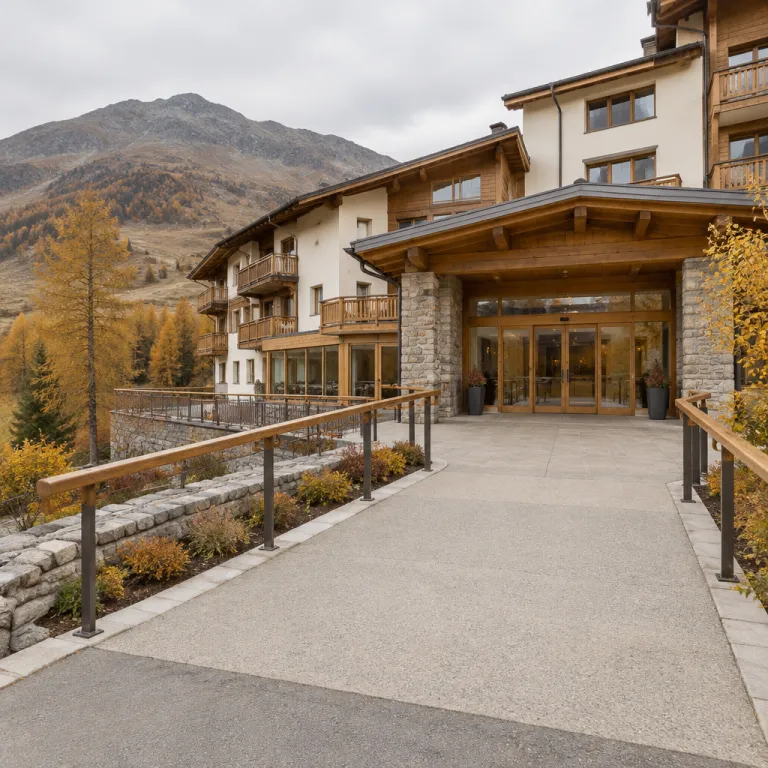
What accessible winter really means in a Swiss mountain hotel
Accessible winter hotels in the Swiss mountain regions start with how you arrive. For a traveler based in Switzerland, the best experience often begins with a seamless booking that already anticipates mobility needs and coordinates transfers from rail to cable car without drama. In the most forward-thinking Swiss properties, accessibility is treated as a core luxury hotel standard, not a side note.
In practice, an accessible winter hotel in the Swiss Alps offers step-free arrival from station platform to lobby, with covered paths that stay safe when the first snow arrives. Many of the best hotels now map every metre of access, from the entrance to the spa, the restaurants and the rooms and suites, so that guests using wheelchairs or sticks can plan their day without surprises. The most serious hotels Switzerland-wide publish clear information about corridor widths, lift dimensions and altitude metres, because at 1,200 metres and above the combination of thinner air and steep gradients can be as challenging as ice.
Inside the hotel, accessibility means more than a single adapted room hidden at the back. You should expect several rooms and suites with roll-in showers, grab rails that feel solid rather than clinical, and beds at a height that works for transfers. Public areas in accessible Swiss mountain hotels now increasingly include lowered reception desks, tactile signage and quiet corners where guests can rest between activities, which matters as much for neurodivergent travelers as for those with reduced mobility. True Swiss luxury also shows in details such as staff trained to guide visually impaired guests to the restaurant, or to explain the layout of the spa without rushing.
For many Swiss residents, the first question is whether an accessible winter stay still feels like a real mountain escape. The answer is yes when the hotel has thought about both function and atmosphere, so that ramps are integrated into timber terraces and lifts open directly onto lounges with mountain views rather than service corridors. Accessible winter hotels in the Swiss mountain belt now compete on design as much as on practicality, proving that inclusive architecture can frame the same lake reflections and snowy ridges that fill your Pinterest boards.
Choosing the right altitude and resort before the snow line shifts
Planning accessible winter hotels in the Switzerland mountain arc starts with altitude. Climate data from Swiss resorts and the Swiss Federal Office of Meteorology and Climatology (MeteoSwiss) indicate that the lowest reliable snow line for consistent cover in many regions now sits around 1,200 altitude metres, which quietly pushes serious ski operations and many luxury hotel openings higher up the slopes. For a traveler based in Switzerland, that means rethinking where to book long before the first flakes fall.
High-altitude destinations such as St. Moritz, Crans-Montana and Andermatt have responded early, combining snowmaking technology with better access for guests who move more slowly. Operators in these Swiss Alps resorts are raising lifts, adapting access routes and relying more on cable car and funicular links from the valley, which is good news if winter driving is not an option for you. One industry explanation from resort planning documents captures the shift clearly: “We rethink access before snow to avoid early-season disruption from low snowfall and to secure operations at higher elevations.”
For accessible winter hotels in the Switzerland mountain context, this means you should prioritise resorts where the main lifts and pistes start above the new snow line. In eastern Switzerland, that can mean choosing a hotel directly by the cable car station rather than a pretty chalet down in the village, because the step-free route to the gondola will matter more on icy mornings. Families planning a half-term in the mountains with different mobility levels can look at Swiss family hotels that already coordinate ski school, transfers and equipment for everyone, as highlighted in our guide to autumn mountain breaks that work for all ages.
Booking early in autumn is not just about securing the best hotels or a lake-view suite. Accessible winter stays in Switzerland’s mountain conditions often require coordination between the hotel, lift operators and sometimes local transport services, especially if you need adapted taxis or assistance at the station in Geneva or Zürich. When you book your hotel, ask explicitly how they handle early-season access if roads are not yet fully cleared, and whether they can arrange luggage transfers so that you can focus on the mountain views rather than on hauling bags.
Inside the new generation of inclusive alpine retreats
Some names in Swiss hospitality have become reference points for accessible winter hotels in the Switzerland mountain landscape. In Andermatt, The Chedi Andermatt pairs its high-altitude setting with wide corridors, generous lifts and rooms and suites where sliding doors and level thresholds make movement easier, even when you return from the spa tired after a long day. The hotel works closely with the Andermatt ski area, where early snowmaking at altitude helps secure key weeks such as the Christmas markets period and February holidays.
In Arosa, the Tschuggen Grand Hotel uses its private mountain railway as more than a design flourish, because the small funicular offers step-free access from the hotel to the ski area without the usual scramble through a crowded base station. Over in Zürich, the Dolder Grand shows how an urban grand hotel can still speak to the Switzerland winter mood, with accessible spa facilities and a shuttle that connects smoothly to the city’s public transport network. These properties prove that a luxury hotel can combine serious wellness, fine restaurant options and inclusive design without sacrificing the sense of retreat that Swiss guests expect.
In the Engadin, Badrutt’s Palace in St. Moritz has been gradually improving access, from ramps at key entrances to adapted rooms that still feel like part of the historic fabric rather than an afterthought. Around the lake, several hotels now offer accessible paths so that guests using wheelchairs can enjoy the same crisp air and mountain views as skiers returning from the pistes. If your idea of accessible winter hotels in the Switzerland mountain regions leans more towards fireplaces than ski racing, our feature on chalet style hotels where autumn is measured in woodsmoke highlights properties where the lift to the lounge is as important as the wine list.
Crans-Montana illustrates how a resort can align infrastructure and hospitality. The historic Grand Hotel du Golf and newer luxury hotel addresses sit close to bus stops and cable car stations, making it easier to move between hotel, ski area and village without tackling steep, icy pavements. When you compare hotels Switzerland-wide, look for those that describe not only their spa and restaurant but also the exact route from reception to the nearest lift station, because that is where accessible winter comfort is either made or lost.
From transfer to spa: services that turn access into real ease
Accessibility in a winter mountain hotel is ultimately delivered by people, not just ramps. The best hotels in Switzerland train their équipe to handle everything from discreet physical support on a slippery path to explaining how altitude metres might affect energy levels during a long ski day. When you book, ask whether staff receive specific training on assisting guests with reduced mobility or sensory sensitivities, because that often separates marketing from reality.
In many accessible winter hotels in the Switzerland mountain belt, the spa becomes a test of intent. True inclusivity means hoists or gently sloped entries into pools, non-slip surfaces, grab rails that blend into the design language and treatment rooms that can accommodate wheelchairs without rearranging half the furniture. Some Swiss luxury properties now offer adapted spa rituals with longer transition times, heated benches at different heights and therapists trained to work with chronic pain or fatigue, which can transform Switzerland winter from something to endure into a season to savour.
Transfers are another decisive moment. Hotels near Geneva or Zürich often coordinate with SBB assistance services, arranging for guests to be met at the platform and escorted to an accessible vehicle, then on to the mountain hotel without gaps in support. According to SBB accessibility guidelines, assistance can usually be booked up to 24 hours in advance for major stations, which allows hotels to synchronise arrival times and minimise waiting in the cold. In resorts where the cable car is the only realistic access to the ski area, serious hotels will time shuttles to match lift schedules and ensure that the path from van to gondola is cleared, gritted and genuinely step-free, which matters more than any Pinterest-perfect lobby shot.
Once you are in the hotel, small services accumulate into real comfort. Room service that can plate dishes from the restaurant menu in your room, flexible housekeeping that works around rest periods, and concierge teams who know which lakeside paths are cleared in winter or which mountain views are accessible without stairs all contribute to a stay that feels both luxurious and relaxed. For travelers who value privacy as much as access, our guide to hotels with private gardens where you barely need to leave the grounds offers options that work just as well for a quiet Switzerland winter weekend as for a summer retreat.
How to prepare your accessible winter mountain stay from Switzerland
For a traveler already based in Switzerland, the advantage is proximity: you can visit a resort in autumn before committing to a long winter stay. Use that shoulder season to test the route from station to hotel, check how steep the pavements feel and see whether the promised step-free access actually works without snow. Accessible winter hotels in the Switzerland mountain regions that take this seriously will welcome such reconnaissance and often adjust details before peak season.
When you start the booking process, treat accessibility as a core criterion alongside price and view. Ask for floor plans of rooms and suites, photos of bathrooms and precise information about lift sizes, door widths and the distance in metres from the hotel entrance to the nearest bus stop or cable car station. If a property hesitates to share these données, it is rarely a good sign for an inclusive Switzerland winter experience.
Think also about how you personally use the mountain. If you ski, ask whether the hotel can arrange adaptive ski equipment or lessons with instructors experienced in working with different abilities, especially in larger resorts such as St. Moritz or Crans-Montana where the offer exists but needs advance coordination. If you prefer lakeside walks or Christmas markets, check whether the lake promenades are cleared in winter and whether the markets in Geneva, Zürich or smaller Swiss Alps towns offer accessible toilets and step-free routes between stalls.
Finally, remember that inclusivity is a marker of quality, not a niche extra. The Swiss hotels that invest in resilient access routes, clear communication and staff training are usually the same ones that maintain their spa impeccably, run their restaurant with precision and keep their grand hotel heritage alive without stiffness. When you choose accessible winter hotels in the Switzerland mountain landscape, you are also choosing the kind of hospitality culture you want to support, one where every guest can enjoy the same mountain views, whether from a ski slope, a lakeside path or a fireside armchair.
FAQ
What should I check first when booking an accessible winter mountain hotel in Switzerland ?
Start by confirming step-free access from your arrival point to the hotel entrance and then to your room. Ask for precise details about lifts, ramps and distances in metres, not just general assurances. Finally, verify how the hotel coordinates with local transport or cable car operators during early and late season.
Which altitude is generally best for reliable snow and accessible infrastructure ?
In many Swiss Alps regions, reliable snow now starts around 1,200 altitude metres, which pushes serious ski operations higher. Resorts above this level usually invest more in snowmaking and in resilient access routes that stay usable in marginal conditions. For accessibility, that often means better maintained paths, more frequent shuttles and closer integration between hotels and lift stations.
How can I assess whether a spa is genuinely accessible before I book ?
Request photos or videos of pool access, treatment rooms and changing areas, and ask specifically about hoists, ramp gradients and non-slip surfaces. A serious luxury hotel will share clear information about these features and explain how staff assist guests with reduced mobility. If answers stay vague or purely promotional, consider another property.
Are Swiss ski resorts improving access for wheelchair users and people with reduced mobility ?
Many major resorts such as Andermatt, Crans-Montana and St. Moritz are gradually improving access, especially around main lift stations and village centres. Investments include step-free routes to cable car entrances, adapted toilets and better coordination with public transport. Progress is uneven, so it remains essential to check each resort and hotel individually before booking.
Why is it important to plan an accessible winter stay already in autumn ?
Accessible rooms and adapted services are limited, so they sell out earlier than standard categories. Planning in autumn gives hotels time to coordinate transfers, adaptive equipment and any support you may need with lift operators or local services. It also allows you to adjust plans if a particular route or resort proves less accessible than expected.