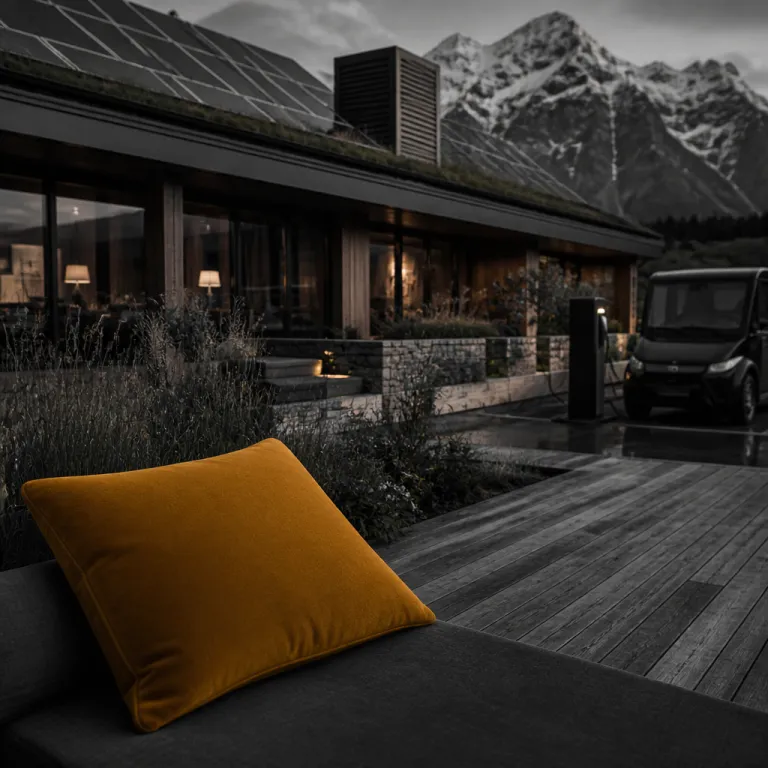
From Swisstainable baseline to true carbon neutral hotels in Switzerland
Swisstainable has become the entry ticket for serious sustainability in Swiss hospitality. For travelers based in Switzerland, the real interest now lies in genuinely carbon neutral hotels where sustainable luxury shapes every decision, from the first kilowatt of energy to the last plate of food. This shift is redefining what a luxury hotel or alpine resort feels like on a business trip extended into a quiet mountain weekend.
Across the Alps, a small group of hoteliers treats sustainability as infrastructure rather than marketing, building energy efficient systems that cut emissions before they ever need offsetting. Their hotels use renewable energy for heating and cooling, invest in water saving technology and design resort spa facilities that feel indulgent yet remain firmly eco conscious. In this context, the idea of carbon neutral hotels and Switzerland’s sustainable luxury segment becomes less a slogan and more a measurable operational standard, backed by energy data, supplier audits and third party reviews.
Switzerland Tourism’s Swisstainable framework and the Responsible Hotels of Switzerland network give you a baseline, but the most ambitious hotels go far beyond. These properties track every form of waste, from kitchen offcuts to spa water, and they publish data on environmental impact with the same seriousness as financial results. As one sustainability manager in Graubünden put it, “If we can’t show the numbers, we don’t call it neutral.” If you want to explore how climate neutral hotels and Swiss style sustainable luxury actually work in practice, start by looking for clear information on renewable energy, waste management and social commitments, not just a green leaf icon on the booking page.
The Tschuggen Collection blueprint: three climates, one renewable mindset
The Tschuggen Collection has quietly become the reference point for carbon neutral hotels and Switzerland’s sustainable luxury scene, with properties in Arosa, St. Moritz and Ascona. According to the group’s own sustainability reporting, it has reduced fossil fuel consumption by about 90 percent since 2010, switched all electricity to renewable energy and set a firm deadline to phase out remaining fossil fuels. That level of energy discipline is rare in luxury hotels, yet here it underpins every ski season and every lakefront aperitivo.
In Arosa, Valsana Hotel Arosa operates as a modern, mindful alpine retreat where the building itself acts like a battery, storing and reusing waste heat from refrigeration and other systems. The result is a hotel that feels warm and cocooning after a day on the ski slopes, while its energy efficient design keeps emissions low even in deep winter. Guests notice the silence of the heat pumps, the stable room temperatures and the way the spa and wellness areas stay inviting without the usual blast of overheated air.
Further south, the group’s property in Ascona leans into a different rhythm, with terraces overlooking lake scenery instead of a mountain pass, yet the same sustainable luxury logic applies. Renewable energy powers the resort spa, water saving fixtures run quietly in the background and local food producers anchor the menus. One chef describes the approach simply: “If it doesn’t grow within a few hours of the hotel, it has to earn its place on the plate.” For Swiss travelers comparing hotels and resorts for their next break, this is where Swisstainable moves from label to lived experience, as explored in depth in our guide to how Switzerland became the benchmark for sustainable tourism.
Quiet technology, strong terroir: what guests actually feel on site
When you check into a genuinely eco friendly luxury hotel in the Alps, the first impression is not a solar panel but a certain calm. Corridors feel fresh without aggressive air conditioning, and the room temperature holds steady even when the föhn wind swings outside. This is where energy efficient design, heat pumps and smart insulation translate directly into comfort for business and leisure travelers.
At Radisson Blu Hotel Reussen and The Chedi Andermatt, low energy, carbon neutral heating systems draw on local sources rather than imported oil, which dramatically reduces environmental impact during long ski holidays. You still enjoy a full resort spa experience after a day of luxury ski runs, but the pool may be solar assisted and the sauna powered by renewable energy from the valley grid. Guests who arrive in electric cars find charging points as standard, while eco conscious skiers can move between ski hotels and the lifts using gentle mobility options instead of private transfers.
Food and wellness complete the picture, especially for Swiss residents who know their regional terroirs. Menus at places like Waldhotel Fletschhorn or Hotel Bella Vista lean into local food cycles, short supply chains and minimal waste management, without sacrificing the pleasure of a long lunch overlooking lake or alpine meadow. Switzerland Tourism joined the World Travel & Tourism Council as a Destination Partner in 2023, a status confirmed in WTTC’s official member listings, to push this model globally, a move we unpack in our analysis of what Swisstainable means on a global stage.
Reading between the labels: greenwashing, costs and the rate you actually pay
Labels help, but they are not the whole story when you compare carbon neutral hotels and Switzerland’s sustainable luxury options on a booking site. A Green Key certification or membership in Responsible Hotels of Switzerland signals serious sustainability work, yet you still need to read how each hotel handles energy, water and waste. Ask yourself whether the property explains its renewable energy sources, water saving systems and waste management strategy in concrete terms.
Some international names, from Interalpen Hotel Tyrol to Leitlhof in the Dolomites, show how a resort can run on 100 percent green electricity while maintaining a full spa and wellness program. Their experience matters for Swiss hoteliers planning renovations now, because the country’s net zero target by mid century will shape every new boiler, every resort spa extension and every ski lift upgrade. As one general manager in Valais notes, “Every renovation we sign off today has to make sense in a zero emission future.” The question for you as a guest is simple: does this luxury resort treat sustainability as a cost center or as a way to future proof operations and stabilise room rates over time.
On pricing, the pattern is more nuanced than many assume. Upfront investments in energy efficient systems, from geothermal heating to advanced insulation, can be high, but they often reduce long term operating costs and shield hotels from volatile energy prices. That means a carbon neutral hotel in an alpine ski area may not be the cheapest option on the market, yet its rates can remain surprisingly stable compared with less efficient ski hotels that are exposed to every spike in fossil fuel costs.
How to choose your own zero emission stay in the Swiss Alps
For a Swiss based traveler planning a mix of meetings and mountain time, choosing among carbon neutral hotels and Switzerland’s sustainable luxury options starts with a few precise questions. Does the hotel publish data on CO₂ reductions, renewable energy use and water saving measures, or does it rely on vague eco language. Is there a clear link between sustainability efforts and the quality of the ski, spa and wellness experience you are actually booking.
Look for hotels and luxury resorts that integrate sustainability into every layer of the stay, from gentle mobility to the sourcing of food and spa products. A property like Alpina Gstaad, or a classic address such as Carlton Hotel in St. Moritz, will often detail how they manage waste, reduce environmental impact and support local communities while still delivering a high service standard. When you browse hotels and resorts for your next luxury ski break, prioritise those that treat eco friendly practice as part of their core identity rather than a seasonal campaign.
Finally, remember that sustainable luxury is as much about how you use the hotel as how it is built. Choose the train over a short haul flight for your ski holidays, opt for the mountain railway instead of a private transfer and spend time in a resort spa that uses regional products rather than imported novelties. For a deeper sense of how wellness and sustainability meet in practice, our review of an elegant wellness escape in Wengen shows how a spa overlooking lake and mountain scenery can feel both indulgent and genuinely eco conscious.
FAQ
What is a carbon neutral hotel in the Swiss alpine context ?
A carbon neutral hotel in Switzerland is a property that measures all its emissions, reduces them as far as technically and economically possible, then offsets the remainder through verified projects. As one expert definition puts it, “A hotel that offsets all its CO₂ emissions.” In the alpine context, that usually involves renewable energy for heating, efficient insulation, careful waste management and a focus on low impact mobility for guests.
How do hotels in the Alps achieve carbon neutrality without sacrificing luxury ?
Alpine hotels reach carbon neutrality by combining energy efficient building design, renewable energy sources and targeted carbon offsetting. “Through renewable energy and carbon offsetting” is the core mechanism, but the guest experience still includes full spa facilities, refined food and comfortable rooms. The difference is that the heat for your pool, the electricity in your room and the logistics behind your breakfast are designed to minimise environmental impact.
Why is sustainability so central to high end ski hotels and resorts ?
Mountain destinations are directly exposed to climate change, from shrinking glaciers to shorter ski seasons, so sustainability is not an abstract value for luxury ski hotels. “To reduce environmental impact while maintaining comfort” captures the balance that serious hoteliers now pursue. For guests, that means you can enjoy ski holidays, wellness treatments and fine dining while supporting properties that actively protect the alpine environment they depend on.
Does staying in a carbon neutral luxury resort cost significantly more ?
Rates at carbon focused luxury hotels can be slightly higher in some markets, because of the capital invested in renewable energy systems and efficient infrastructure. Over time, however, these investments often reduce operating costs and protect hotels from volatile fossil fuel prices, which can stabilise room rates. For Swiss travelers, the price difference is usually modest compared with the value of lower emissions and a more resilient destination.
How can I verify that a hotel’s sustainability claims are credible ?
Look for transparent reporting on energy use, water saving measures, waste management and social commitments, ideally audited by independent bodies. Certifications such as Green Key or membership in Responsible Hotels of Switzerland are useful indicators, but you should also read how the hotel explains its systems in detail. When in doubt, ask specific questions before booking ; serious properties will answer clearly and provide concrete examples rather than generic eco friendly language.