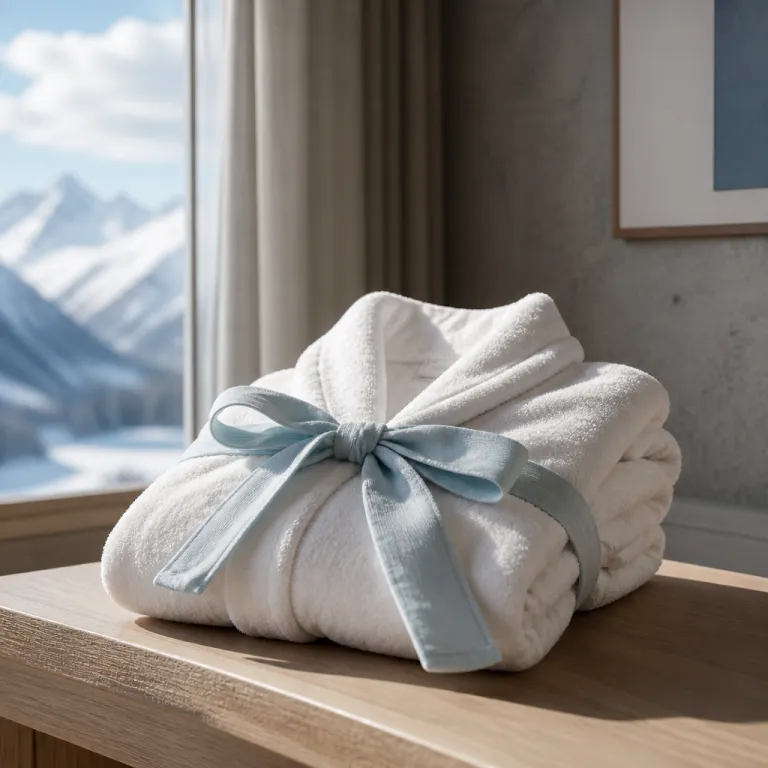
St Moritz summer as an alpine retreat for Swiss travelers
St. Moritz summer stays feel different when you already live in Switzerland. You arrive in the Engadine with expectations shaped by other Alpine regions, yet the first train ride into this high valley immediately signals another level of refinement. The combination of light, altitude at around 1 800 metres, and the sweep of the surrounding mountain scenery creates a setting that feels both rare and reassuringly close to home.
Local tourism actors such as the St. Moritz Tourism Board coordinate the warm season from June to September, curating events that keep St. Moritz travel interesting even for repeat visitors. Their stated focus is clear: “Hiking, biking, sailing, and cultural events.” This structured approach means you can plan a short day in St. Moritz or a longer stay knowing that every time you return, the programme of activities has evolved.
Average daytime temperatures hover around 15 °C according to MeteoSwiss climate data (1981–2010 reference period), which makes every hike or gentle walk around the lakes feel pleasantly fresh. The Engadine light is famously crisp, and in St. Moritz summer it reflects off Lake St. Moritz and the neighbouring lakes in a way that photographers and casual strollers both appreciate. For a traveler based in Switzerland, this climate offers a welcome contrast to heavier lowland heat, while still allowing you to pack light if you keep in mind the usual mountain rule of layers.
The town of St. Moritz sits in the canton of Graubünden, yet it feels more like a self contained alpine stage than a typical Graubünden village. Luxury hotels line the slopes above the lake, while more modest hotels and even a well run youth hostel cluster closer to the station and lakefront. This mix lets you tailor your accommodation precisely, whether you want a grand St. Moritz hotel address or a simple youth stay focused on time outdoors.
For many Swiss guests, the appeal lies in how easily a St. Moritz summer weekend fits into a busy schedule. You can leave by train in the morning, enjoy a full day of lakeside walking and a short hike, then be back home by late evening. Those who prefer to slow down will often extend a single day into a long weekend, using the town as a base for exploring the wider Engadine region.
Although St. Moritz is globally associated with winter glamour, the summer season now attracts around 250 000 visitors according to figures published by the local tourism board for recent years. That number reflects a growing appreciation of the Engadine as a warm season destination, not just a winter playground. For Swiss based travelers, this shift opens up new places to visit in familiar mountains, with quieter paths and more flexible hotel booking conditions than during peak winter weeks.
Arriving in style ; Bernina Express, Rhaetian Railway and scenic access
Arriving in St. Moritz in summer by train sets the tone for a refined stay. The Rhaetian Railway lines that climb into Graubünden are part of a UNESCO listed network, and the famous Bernina Express route between Chur and Tirano is often considered one of the top panoramic train rides in Europe. For a Swiss traveler used to efficient rail services, this combination of punctuality and spectacle feels like an upgrade rather than a novelty.
The Bernina Express itself links the glaciers above the Bernina pass with the palm trees of Tirano in Italy, and many guests weave this into a longer St. Moritz travel itinerary. You might book a hotel in St. Moritz for several nights, then plan a dedicated day trip on the Bernina Express, returning by regional train to vary the experience. Typical travel times from Chur to St. Moritz are around two and a half hours, and panoramic services usually require advance seat reservations, while regular trains remain more flexible.
Some travelers will still choose to arrive by car, especially from other parts of Switzerland where direct motorway access makes sense. Driving over a high pass into the Engadine, then descending towards Lake St. Moritz, offers a different perspective on the same landscape you see from the train. Just keep in mind that parking near the lake and the top luxury hotels can be limited in peak St. Moritz summer weeks, so advance planning and checking hotel garage availability remain essential.
Public transport within the valley is well organised, with the local bus network linking the station, lakefront, Muottas Muragl funicular base, and surrounding villages. This makes it easy to leave your car parked at your hotel and rely on buses and cable cars for most of your daily activities. For Swiss based guests used to integrated transport passes, the local offers often bundle bus, train, and mountain lift access into attractive packages.
Rail enthusiasts often structure an entire St. Moritz trip around the interplay of different lines and passes. One day might focus on the Albula line, another on the Bernina pass route towards Tirano, with evenings spent back at your chosen hotel in town. This rhythm suits travelers who value both movement and comfort, and it highlights how a St. Moritz summer break can be as much about the journey as the destination.
If you enjoy comparing alpine destinations, you might pair a St. Moritz stay with another high altitude resort such as Saas Fee, using a curated guide to elevated ski holidays that also remain attractive in the warmer months. Resources that analyse Swiss luxury destinations in depth help you benchmark service levels, access, and hotel booking options across regions. For many readers, this comparative view confirms that the Rhaetian Railway approach to St. Moritz remains one of the most memorable ways to begin or end a Graubünden escape.
Choosing your stay ; luxury hotels, lakeside addresses and youth options
Accommodation choice defines the character of any St. Moritz summer stay, especially for a traveler already familiar with Swiss standards. At the top end, legendary luxury hotels such as Badrutt's Palace Hotel or the Kulm Hotel St. Moritz offer lake and mountain views, extensive concierge services, and curated access to Engadine experiences. These properties work closely with the St. Moritz Tourism Board and other partners to align their summer programmes with regional events.
For guests who prefer a more intimate scale, smaller lakeside hotels around Lake St. Moritz and the neighbouring lakes provide a quieter base. Many of these hotels focus on wellness, with spa areas designed to frame the Engadine light and mountain silhouettes rather than overwhelm you with design statements. When you compare options during your hotel booking process, pay attention to how each hotel describes its relationship with the surrounding landscape, because that often signals the style of service you will receive.
Budget conscious travelers, including students and young professionals, often gravitate towards the well regarded youth hostel in St. Moritz. This affordable option offers simple rooms, social common areas, and easy access to local bus routes and the lakefront paths. For a Swiss based traveler planning a quick day trip that turns into an unplanned overnight stay, having a reliable youth hostel alternative can be reassuring.
Some guests like to split their time between different properties, starting with a few nights in one of the top luxury hotels before moving to a more relaxed lakeside address. This strategy lets you experience the full spectrum of Engadine hospitality, from white tablecloth dining to informal terrace cafés overlooking the water. It also allows you to adjust your budget across a longer St. Moritz trip without sacrificing comfort or access to key places to visit.
When you plan a St. Moritz summer escape, it can be useful to compare the Engadine with other refined Swiss regions such as Lavaux on Lake Geneva. Reading about a lakeside property like Le Clay in Lavaux, part of a new Swiss luxury collection, helps you understand how different regions interpret elegance and sense of place. This broader perspective sharpens your criteria when you return to your St. Moritz travel planning and select the hotel that best matches your expectations.
Specialised guides dedicated to St. Moritz summer stays for Swiss travelers seeking refined alpine retreats often highlight the importance of booking early for peak July and August periods. With average temperatures around 15 °C and long daylight hours, these months attract both international guests and Swiss residents escaping city heat. If you keep in mind your preferred balance between lake access, mountain proximity, and town centre convenience, your final hotel booking will feel less like a compromise and more like a tailored choice.
Alpine experiences ; Piz Nair, Muottas Muragl and Engadine hikes
Once you have settled into your chosen hotel, the real essence of St. Moritz summer unfolds on the surrounding slopes and trails. The Engadine is a high valley framed by peaks such as Piz Nair, which rises above St. Moritz and offers sweeping views over the lakes. Reaching the top involves a sequence of lifts and a cable car, turning the ascent itself into part of the experience.
From the Piz Nair summit station, you can gaze down at Lake St. Moritz and the chain of Engadine lakes stretching towards Silvaplana and Sils. On clear days, the contrast between deep blue water and pale rock makes this one of the top viewpoints in Graubünden. Many guests plan a half day trip focused solely on this ascent, combining the cable car ride with a short hike along the ridge before returning to their hotel for a late lunch.
Muottas Muragl offers a different kind of panorama, reached by a historic funicular rather than a cable car. The terrace at the top is a favourite for sunset, when the Engadine lakes catch the last light and the mountain silhouettes soften. Families appreciate the well marked hiking paths here, which allow you to tailor the length and difficulty of each hike to the time and energy you have available.
For Swiss based travelers used to efficient day structures, the ability to combine a morning hike with an afternoon swim in a lake is a major part of the St. Moritz summer appeal. Trails around Lake St. Moritz and the neighbouring lakes are generally well maintained, with clear signposting and realistic time estimates. When planning, keep in mind that altitude can make even moderate gradients feel more demanding, so allow extra time if you are not fully acclimatised.
Guided excursions organised by the St. Moritz Tourism Board and partner hotels often focus on specific themes such as alpine flora, local history, or photography. These tours help you see familiar mountain scenery with new eyes, especially if you have visited the Engadine in winter and are now returning in summer. For independent travelers, digital maps and trail apps complement traditional printed guides, reflecting the region’s stated innovation in integrating digital tools into outdoor experiences.
Whether you stay in one of the top luxury hotels or a simple youth hostel, the quality of the surrounding mountain environment remains the same. That democratic access to beauty is one reason many Swiss guests return for a summer day or longer stay every year, even if their accommodation choices evolve over time. In the end, it is the combination of Engadine light, lake reflections, and the quiet satisfaction of a well planned hike that defines the region’s summer character.
Balancing seasons ; how winter heritage shapes St Moritz summer
St. Moritz built its reputation on winter sports and glamorous cold season events, yet that heritage now enriches the St. Moritz summer experience rather than overshadowing it. Many of the same luxury hotels that host winter guests have invested heavily in summer specific facilities such as lakeside terraces, open air pools, and mountain bike services. For a Swiss traveler, this means you benefit from world class infrastructure even when the snow has long melted.
The town’s winter focus on service precision translates into efficient summer logistics, from well timed local bus connections to coordinated opening hours for mountain lifts. When you plan a day trip that combines a morning train ride, a midday cable car ascent, and an afternoon swim in Lake St. Moritz, you can rely on timetables that align smoothly. This reliability allows you to maximise your time outdoors without constantly checking your watch.
Many guests who first visited St. Moritz in winter are surprised by how different the Engadine feels in the warmer months. The frozen lake becomes a reflective surface for sailing and stand up paddling, while ski slopes transform into hiking and mountain biking routes. Returning in St. Moritz summer lets you reinterpret familiar places to visit, from the Corviglia area above town to the quieter side valleys that open up once the snow has gone.
For hotel managers, the challenge lies in adapting winter oriented properties to summer expectations without losing their identity. Some luxury hotels now offer dedicated summer concierges who specialise in hiking routes, lake activities, and cultural events rather than ski instructors and snow guides. When you evaluate hotel booking options, look for signs that a property treats summer as a full season in its own right, not just a pause between winters.
Swiss based travelers often compare St. Moritz with other high altitude resorts when deciding where to allocate their holiday time. While some destinations remain strongly winter centric, St. Moritz has clearly positioned its summer offer around outdoor recreation, cultural programming, and wellness. This strategic shift benefits guests who want to use their annual leave flexibly, perhaps taking a shorter winter break and a longer St. Moritz summer stay in the same year.
Even if you primarily associate the Engadine with snow, it is worth planning at least one summer day in St. Moritz to experience the contrast. You might arrive by train, enjoy a leisurely ride along the lake, then continue by local bus to a trailhead for an afternoon hike. As evening falls and the last light catches the peaks above Lake St. Moritz, you will understand how winter heritage and summer calm now coexist in a single, sophisticated alpine setting.
Planning your St Moritz summer stay from within Switzerland
Planning a St. Moritz summer escape from within Switzerland gives you a practical advantage, because you already understand local transport systems, weather patterns, and booking habits. Start by deciding how much time you want to spend in the Engadine, then work backwards to structure your train or car journey and hotel booking. For many Swiss based travelers, a three night stay strikes the right balance between relaxation and active exploration.
If you travel by train, consider combining a standard InterCity approach with at least one segment on the Bernina Express or another panoramic Rhaetian Railway service. This turns your transfer into a highlight rather than a simple commute, especially if you plan a stop in Tirano or another intermediate town. When you book, keep in mind that panoramic trains often require seat reservations, while regular services offer more flexibility for spontaneous changes.
Those who prefer to drive will find well maintained roads leading into Graubünden, with several scenic passes offering impressive views on the final approach to St. Moritz. Check pass conditions in advance, particularly early or late in the summer season when weather can still be changeable at altitude. Once in town, many guests choose to leave their car parked at the hotel and rely on buses, cable cars, and walking paths for daily activities.
When comparing hotels, think about how you like to structure your days. If you plan to swim in Lake St. Moritz every morning, a lakeside hotel might be worth the premium, while hikers may prefer a property closer to key lift stations or bus stops. Families and groups of friends sometimes opt for a mix of luxury hotels and more modest hotels or the youth hostel, especially on longer stays where budget distribution matters.
It is also wise to align your dates with specific events or quieter periods, depending on your preferences. The St. Moritz Tourism Board publishes a detailed calendar of cultural festivals, sports competitions, and guided activities that can enrich your travel experience. If you keep in mind both your desired level of activity and your tolerance for crowds, you can choose a week that matches your personal rhythm.
Finally, remember that St. Moritz summer rewards both meticulous planners and spontaneous weekenders. Whether you book a top suite in one of the legendary luxury hotels or a last minute bed in the youth hostel, the Engadine landscape remains the same generous host. With thoughtful preparation and realistic expectations, your next St. Moritz trip will feel less like a simple holiday and more like a carefully composed alpine interlude.
Key figures for St Moritz summer stays
- Average daytime temperatures in St. Moritz during the summer season are around 15 °C according to MeteoSwiss (1981–2010 climate normals), which creates ideal conditions for hiking, cycling, and lakeside walks without excessive heat.
- The St. Moritz Tourism Board reports approximately 250 000 visitors in the summer months in recent years, illustrating how the Engadine has become a significant warm season destination alongside its established winter appeal.
- The main summer season in St. Moritz runs from June to September, giving Swiss based travelers roughly four months to plan a St. Moritz summer stay that fits school holidays and work schedules.
- St. Moritz sits at an altitude of about 1 800 metres above sea level, so guests should keep in mind that physical activity such as a long hike may feel more demanding than at lower elevations.
FAQ about St Moritz summer for Swiss travelers
What activities are available in St. Moritz during summer ?
According to the St. Moritz Tourism Board, the main summer activities include hiking, biking, sailing on the lakes, and a varied programme of cultural events. Many hotels also offer wellness facilities, guided excursions, and access to mountain lifts. This mix allows you to combine active days with more relaxed moments by Lake St. Moritz or in town.
Is St. Moritz suitable for family vacations in summer ?
St. Moritz is well suited to families, with easy lakeside paths, playgrounds, and accessible mountain excursions such as Muottas Muragl and Piz Nair. The presence of both luxury hotels and a well equipped youth hostel means different budgets can be accommodated. Many summer events are designed with children in mind, making it easier to keep all ages engaged.
What is the best time to visit St. Moritz in summer ?
The warmest and most popular months for a St. Moritz summer stay are July and August, when daytime temperatures are highest and most mountain lifts operate daily. June and September can be quieter, with slightly cooler weather but fewer crowds on the trails. Your choice should depend on whether you prioritise stable warmth or more tranquil paths and hotels.
Do I need to book accommodation far in advance for summer ?
For peak weeks in July and August, it is wise to secure your hotel booking several months ahead, especially if you want a specific lakefront or mountain view room. Outside those periods, Swiss based travelers can sometimes plan more spontaneously, particularly for shorter summer days that turn into overnight stays. Checking cancellation policies carefully allows you to keep some flexibility while still locking in preferred hotels.
Is St. Moritz only interesting if I already like winter sports ?
St. Moritz has a strong winter identity, but its summer offer stands on its own with hiking, lake activities, and cultural programming that do not require any interest in skiing. Many guests first visit in winter and then return in summer precisely to experience the contrast. Even if you never set foot on a ski slope, you can enjoy the Engadine’s light, lakes, and mountain scenery in complete comfort.
Trusted references for further planning
- MeteoSwiss for official climate and weather data on St. Moritz and the Engadine.
- St. Moritz Tourism Board for event calendars, activity suggestions, and practical visitor information.
- Rhaetian Railway for detailed schedules and booking information on the Bernina Express and regional train services.