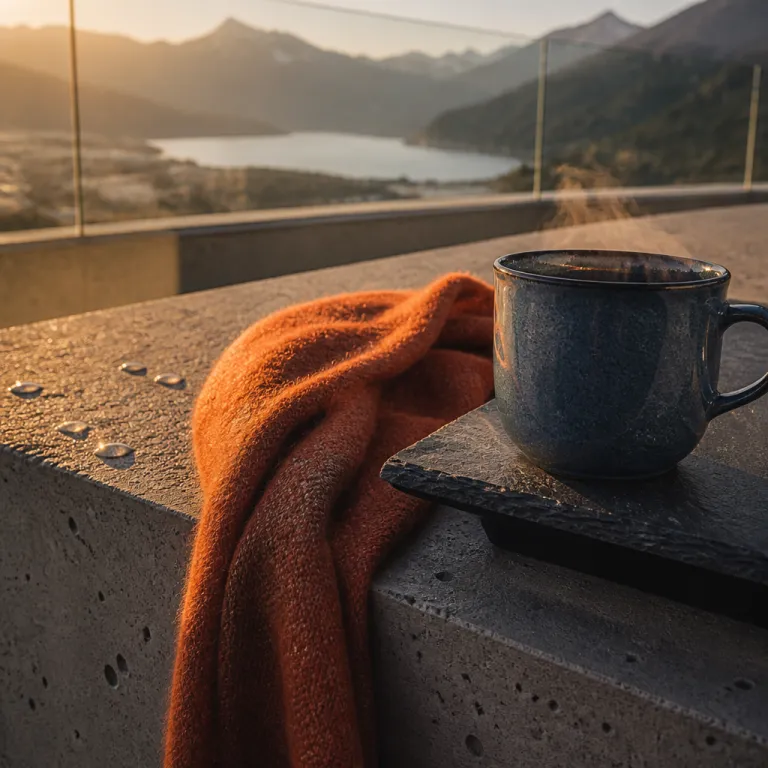
St. Moritz Switzerland summer as an alpine retreat for Swiss travelers
Experiencing St. Moritz in summer feels different when you already live in Switzerland. You arrive in this Engadin town with a sense of familiarity, yet the high-altitude light, the mirror-like lake, and the discreet luxury of each hotel still manage to surprise you. Many Swiss guests now choose the resort as a refined warm-season break that contrasts with their usual winter routines and city weekends.
The St. Moritz Tourism Board presents the destination as a season of diverse outdoor activities and luxury experiences, and that strategy is clearly visible on the ground. From June to August, the town shifts from winter glamour to lakeside elegance, with hiking paths, mountain biking trails, and lake sports replacing ski slopes while maintaining the same level of service in every palace hotel. For a traveler based in Switzerland, this means you can arrive by train in roughly three to four hours from cities like Zurich or Basel, check into a lake-view suite, and enjoy a long weekend that feels like a full alpine reset without crossing any borders.
According to MeteoSwiss climate data for the Upper Engadine, average July daytime temperatures hover around 17–18 °C, and the St. Moritz Tourism Board highlights about 300 sunny days per year, creating ideal conditions for outdoor activities in the Engadine valley. You can plan a morning hike above Lake St. Moritz, spend the day between spa rituals and cultural events, then return to your hotel terrace for sunset views over the mountains. This balance between gentle summer activities and high-end hospitality makes a warm-season stay particularly attractive for Swiss residents who value time-efficient escapes and predictable weather.
How to reach St. Moritz and use Swiss Travel Pass benefits in summer
Arriving in St. Moritz by train during the summer season sets the tone for a relaxed stay. Many Swiss travelers combine their Swiss Travel Pass with panoramic routes such as the Glacier Express or the Bernina Express to turn the journey itself into part of the experience. These legendary trains climb from near sea-level landscapes into the Engadine valley, offering wide-angle views that prepare you for the alpine elegance of the town and its lakes.
If you already live in Switzerland, you may prefer a shorter route with regular InterCity and regional trains and still enjoy excellent views on the final stretch into the resort. Typical travel times are around 3 hours 15 minutes from Zurich and about 4 hours from Basel, usually with one or two changes in Chur or Landquart. The Swiss Travel Pass covers most connections, and you can upgrade to first class for more space during peak holiday periods when trains are busy. Some luxury properties, including Kulm Hotel and Badrutt’s Palace, arrange private transfers from the station, which means your luggage and logistics are handled from the moment you step off the carriage.
Using a travel pass in summer allows you to plan flexible day trips without worrying about individual ticket costs. One day you might ride the Bernina line section towards Poschiavo, another day you could link regional trains with cable cars to reach Muottas Muragl or the Piz Nair area for higher-altitude hikes. Expect cable car return tickets in the region to start around CHF 40–60 per adult, with reductions depending on your pass and any hotel guest cards. This combination of efficient Swiss transport infrastructure and curated hotel services turns a St. Moritz holiday into a seamless alpine retreat for residents who value both comfort and precision.
Choosing the right luxury hotel for a St. Moritz lake and mountain stay
Summer accommodation in St. Moritz ranges from historic grand addresses to contemporary alpine retreats. For many Swiss guests, the decision comes down to whether they prefer direct access to Lake St. Moritz, panoramic mountain views, or immediate proximity to the town center. Each luxury hotel interprets the Engadin landscape differently, and that will shape how you experience your stay from morning swims to late-evening aperitifs.
Kulm Hotel, for example, sits slightly elevated above the town and offers a classic Engadin atmosphere with sweeping views over the lake and surrounding mountains. Badrutt’s Palace, often simply called “the Palace” by regular guests, opens directly towards the lakefront and creates a glamorous yet relaxed setting for summer activities such as sailing, paddleboarding, or lakeside aperitifs. Another palace hotel in the center may focus more on spa rituals and fine dining, ideal if you plan to spend more time inside between hikes and cultural events such as the Festival da Jazz or the St. Moritz Art Film Festival.
When comparing options on a luxury and premium hotel booking website in Switzerland, pay attention to how each property integrates with the landscape. Some hotels emphasize direct access to hiking trails and mountain biking routes, while others highlight private terraces with a lake view or curated excursions to places like Muottas Muragl and Morteratsch Glacier. For active travelers, it is worth checking which hotels partner with e-bike providers or guided mountain biking services, then using a resource on hotels near Swiss e-bike trails to align your booking with the routes you want to ride.
Signature summer activities around Lake St. Moritz and the Engadine valley
Warm-season life in St. Moritz revolves around water, altitude, and light. Early in the day, Lake St. Moritz often lies still, reflecting the mountains and the town in a way that feels almost theatrical. By midday, the lake becomes a stage for sailing, stand-up paddling, and gentle swims, while the shoreline paths fill with walkers enjoying the alpine air and the long daylight hours.
From the lakefront, you can plan a hike into the surrounding Engadine valley, choosing routes that match your fitness and time. One classic day combines a morning ascent towards Muottas Muragl for wide views over the valley, followed by an afternoon stroll along the lakes of the Upper Engadin, where each smaller lake area offers a slightly different perspective. Families often appreciate that many trails are well marked, with clear indications of distance and elevation gain above sea level, making it easier to plan summer activities for different ages and energy levels.
For a more dramatic experience, consider an excursion towards Morteratsch Glacier, where educational trails explain how the ice has changed over time. This area contrasts strongly with the polished atmosphere of the town and reminds visitors that both the green and snow-covered seasons are shaped by the surrounding high alpine environment. Back at your hotel, concierge teams can arrange private guides, lake picnics, or cultural visits, ensuring that the list of things the region offers never feels overwhelming but instead becomes a curated selection of experiences the Engadin is genuinely known for.
High altitude viewpoints, Piz Nair, and Muottas Muragl in summer
Summer panoramas above St. Moritz are among the most striking in the Alps. Two names appear repeatedly in conversations with experienced Swiss travelers: Piz Nair and Muottas Muragl. Both viewpoints transform a simple day trip into a memorable alpine experience with far-reaching views over the Engadine valley and its lakes, especially on clear July and August days.
Piz Nair, reached by a combination of funicular and cable car, rises well above the town and offers a clear sense of how the Engadin basin sits high above sea level. On clear days, you can see the full chain of peaks and trace potential hike routes for the rest of your stay, from gentle balcony paths to more demanding alpine trails. Many guests time their visit to Piz Nair for late morning, then return to their hotel for a relaxed afternoon by the lake or in the spa, using the cooler evening for a short lakeside walk.
Muottas Muragl, accessible by a historic funicular, is known for its sweeping view over Lake St. Moritz and the string of nearby lakes that define the Upper Engadin. The terrace here is a classic spot to enjoy a long lunch, watch the light shift across the mountains, and plan the next days of your summer break. One Zurich-based guest described it simply as “the place where you finally exhale after a busy week.” If you are staying in a palace hotel or at Kulm Hotel, concierge teams often recommend combining Muottas Muragl with an evening walk, allowing you to enjoy both the golden hour and the illuminated town as you descend.
Balancing winter heritage with summer elegance in St. Moritz hotels
Warm-season stays in St. Moritz always carry a subtle echo of winter. Many luxury hotels built their reputations on snow-season glamour, yet they now invest heavily in summer activities, wellness programs, and cultural partnerships. This dual identity benefits Swiss guests who may already know the town in winter but want to enjoy a quieter, more spacious version during the brighter months.
Properties such as Badrutt’s Palace and Kulm Hotel maintain their grand interiors and attentive service year-round, while adjusting their programming to highlight lake-based experiences, mountain biking, and high-altitude hikes. Spa menus shift towards lighter treatments, terraces open fully, and restaurants showcase seasonal Engadin produce that feels perfectly aligned with long evenings. The St. Moritz Tourism Board summarizes this evolution clearly in its own materials: “St. Moritz offers diverse summer activities and luxury experiences.”
For travelers comparing options on a luxury and premium hotel booking website in Switzerland, it is worth looking beyond headline rates to understand how each property expresses its philosophy. Some hotels emphasize heritage and formality, others lean into relaxed alpine chic, and a growing number focus on authentic local connections, as explored in depth in this analysis of why the traditional gasthof still matters in Swiss hospitality. When you align your choice with your personal rhythm, stays in the Engadin become less about ticking off famous attractions and more about creating your own pattern of lake walks, train excursions, and quiet time in the mountains.
Alpine retreats and curated stays for Swiss based travelers
For a traveler already based in Switzerland, a summer break in St. Moritz functions as a refined alpine retreat rather than a once-in-a-lifetime trip. You can return several times in a season, adjusting the focus from active days to restorative weekends as your schedule allows. This repeat pattern encourages deeper relationships with specific hotels and with the Engadin landscape itself.
One stay might center on mountain biking, using lift-assisted trails and valley routes to explore different corners of the Engadine valley while your hotel handles laundry, spa recovery, and restaurant reservations. Another visit could prioritize slow lake walks, gentle hike options, and cultural events, taking advantage of the town’s galleries and festivals that animate the streets from June to August. Because travel times from major Swiss cities are relatively short, you can decide almost spontaneously when the weather forecast promises clear views and then let the hotel refine the details.
When planning these alpine retreats, consider how each property integrates with regional networks, from Swiss Travel Pass benefits to partnerships with outdoor guides and wellness practitioners. Some hotels now design multi-day itineraries that combine train journeys on the Glacier Express or Bernina Express with stays in different Engadin towns, creating a narrative arc that links Lake St. Moritz, Morteratsch Glacier, and other high-altitude highlights. If you enjoy combining cycling with luxury stays, specialized guides to hotels near Swiss e-bike trails can help you match your preferred level of activity with the right standard of comfort and service.
Key figures for St. Moritz summer stays
- Average July temperatures in St. Moritz reach around 17–18 °C, according to MeteoSwiss, which creates comfortable conditions for hiking and lake activities without excessive heat.
- The St. Moritz Tourism Board reports approximately 300 days of sunshine per year, a figure that underpins the town’s reputation as a reliable choice for both summer and winter holidays.
- The main summer tourism period runs from June to August, with June marking the opening of the season, July bringing peak outdoor activities, and August adding more cultural festivals and events across the town.
FAQ about St. Moritz Switzerland summer stays
What activities are available in St. Moritz during summer ?
Hiking, sailing, mountain biking, and cultural events.
Is St. Moritz suitable for family vacations in summer ?
Yes, it offers activities for all ages.
What is the weather like in St. Moritz in July ?
Mild temperatures around 17–18 °C with frequent sunshine.
How long should a Swiss based traveler stay in St. Moritz in summer ?
A long weekend of three to four nights works well for a first visit, while returning guests often plan five to seven nights to combine lake time, high-altitude viewpoints, and relaxed days in their preferred hotel.
Do I need a car for a summer stay in St. Moritz ?
A car is not essential, because trains, buses, and mountain railways are well coordinated, and many luxury hotels offer transfers and local transport solutions that integrate smoothly with the Swiss Travel Pass.