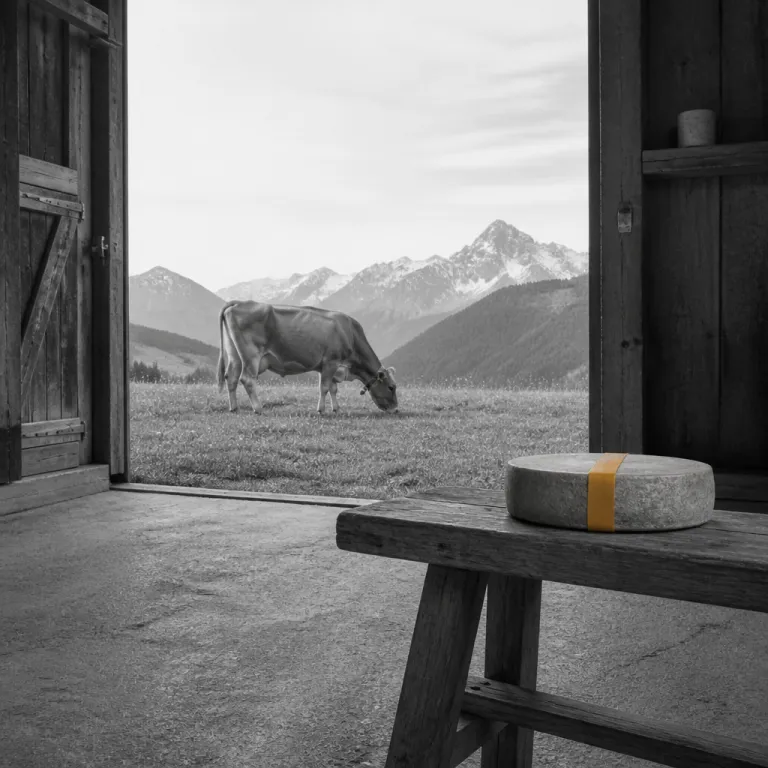
From alpine dairy to hotel room key: what makes these stays different
In a handful of alpine dairy hotels in Switzerland, your breakfast begins in the barn and not at a stainless steel buffet. These are working dairy farm properties where the same alpine family who tends the herd also checks your booking, pours your coffee and plates the mountain cheese that was pressed a few metres away. For a Swiss traveler used to polished mountain resorts, this kind of Swiss cheese farm stay feels both disarmingly simple and quietly luxurious.
The core difference is that the hotel sits inside a functioning cheese dairy, not just beside a picturesque farm that supplies a few yogurts. You are staying on an alp where the daily rhythm of the dairy farm dictates the timetable, from the early milking to the late evening check on the herd above the lake. This is agritourism in its most concentrated form; as one American operator puts it, “Agritourism involves visiting working farms for educational and recreational purposes.” In Switzerland, this idea is reflected in official agritourism platforms such as Schweiz Tourismus and Agrotourismus Schweiz, which list certified farm stays that meet basic safety and animal welfare standards.
Switzerland counts thousands of seasonal alpine farms, and a small but growing number now host guests in rooms that range from simple floor dormitory style to polished suites with lake views. On Mount Rigi, for example, the farm stay at Chäserenholz above Rigi Kulm offers basic rooms directly beside the dairy, while the Alpwirtschaft Heuboden near Rigi Staffel combines a rustic restaurant with simple accommodation. In Appenzell, places like Alp Wasserschaffen or Alp Sigel open their doors to hikers in summer, and in the Emmental region several family farms registered with Schweizer Bauernverband now welcome overnight guests. For families, the unforgettable experience is not only the view of the Swiss Alps but the moment a child realises the cheese on their plate came from the cows they greeted on yesterday’s hike.
On my-switzerland-stay.com we treat this as a distinct category of stay, separate from the classic Berghotel or palace. A true Swiss dairy farm hotel means you can walk from your room to the cheese dairy in under a minute and see the copper cauldron steaming before breakfast. Anything less is simply a hotel that buys well, and for this niche the standard is higher because the farm, the dairy and the hotel are one integrated mountain enterprise. Our internal checklist for this label includes on-site milk production, daily cheese making in season, and at least one host family member directly involved in both the barn and the guesthouse.
Rigi and lake Lucerne: where the milk line meets the mountain railway
Few places express the Swiss alpine cheese farm stay idea as clearly as the slopes of Mount Rigi above Lake Lucerne. Here the historic cogwheel line climbs from the lakeshore to Rigi Staffel and on to Rigi Kulm, passing alps where the smell of warm milk drifts across the track on a cool morning. You step off the train and within minutes can be in a cheese dairy where the senn is stirring curds while guests in hiking boots sip coffee and plan their day.
On these Rigi alps, the hotel rooms may be modest but the breakfast is a masterclass in alpine cheese culture. A typical spread will include several ages of alpine cheese from the same alp, fresh butter, yogurt, and bread baked before dawn, all served with a view that sweeps from Lake Lucerne to the distant Swiss Alps. This is where the phrase “alpine dairy hotel in Switzerland” stops being a search term and becomes a very tangible plate in front of you. On Rigi, the cogwheel trains from Vitznau and Goldau usually run at least hourly in summer from early morning until early evening, which makes it realistic to combine barn visits, a family hike and a late return to Lucerne or Zug in one day.
Families based in Lucerne or Zug can reach these properties easily by public transport, which matters when you are travelling with children age six or eight and a pushchair. A common route is SBB train to Arth-Goldau, cogwheel railway to Rigi Staffel or Rigi Kulm, then a signposted footpath of 15–40 minutes to the farm, depending on the alp. The combination of cogwheel railway, short hike from Rigi Staffel or Rigi Kulm, and a working dairy farm at the end turns a simple overnight into a layered travel story. For a deeper sense of how such places fit into the wider Swiss hospitality landscape, the long read on Engadin mountain hideaways offers a useful counterpoint to these central Switzerland alps; see the guide to quieter hotels between Zuoz and Sils on my-switzerland-stay.com.
Price wise, you will often pay less in CHF than for a lakeside four star, yet the emotional return feels higher because the mountain and the farm are part of your stay. As a reference point, a family room on an alp above Lake Lucerne in high season might start around CHF 220–260 per night including breakfast, while a simple dormitory bed for hikers can be closer to CHF 60–80. These figures are broadly in line with the average prices for rural accommodation reported by Schweiz Tourismus and by the Swiss Federal Statistical Office for two- and three-star properties in central Switzerland. Either way, the key is to check whether the cows are actually on the alp between June and September, because outside that window the same address may operate more as a simple inn than as a full alpine dairy hotel.
Inside the barn: milking, cheese making and the alpine breakfast table
The heart of any Swiss dairy farm stay is the early morning walk to the barn. Guests are invited to stand quietly by while the farmer attaches the milking equipment, the steam rises in the cool air and the first stainless steel buckets fill with warm milk. Children age five or older usually manage the early start better than their parents, and the hike from room to dairy farm in the half light becomes part of the family folklore.
Many of these properties offer a short guided tour of the cheese dairy after milking, where you can watch the curds form and understand why alpine cheese from one alp tastes different to that from the next valley. The process is not a staged show; it is the daily work of the alpine dairy, and guests are simply allowed to stand at the edge of the activity while the senn stirs, cuts and presses. For families used to urban life, this kind of farm tour is a live answer to the dataset question “Are farm stays suitable for children? Yes, many farm stays offer family-friendly activities.” Swiss agritourism surveys from organisations such as the USDA and European farm tourism networks echo this, noting that hands-on experiences increase children’s understanding of food production.
Breakfast follows, and this is where you feel the difference between a generic buffet and a plate that reads like an editorial on the region. A proper alpine breakfast in these Swiss hotels will feature at least two or three cheeses from the same alp, fresh milk, butter, yogurt, and often a soft cheese still warm from the vat, alongside bread, jams and sometimes cured meats. For parents, the fact that the person serving the coffee may have been in the barn an hour earlier makes the experience feel grounded, and for children the link between cow, milk and cheese is no longer an abstract diagram in a content PDF from school.
From a practical perspective, these stays work best when you accept the farm timetable and build your travel day around it. That might mean a late morning hike dairy loop above the property rather than a rushed dash to the next mountain, or a slow afternoon by the lake instead of a packed tour schedule. A simple booking checklist helps: confirm milking times, ask whether guests may attend cheese making, check if boots are provided for the barn, and clarify whether breakfast is served before the first mountain train. For families who value hotels that take children as seriously as adults, the curated list of the best family friendly properties on my-switzerland-stay.com is a useful companion when you want to combine a dairy farm stay with a more classic resort later in the trip.
Regions and rhythms: Appenzell, Emmental, Gruyère and beyond
While central Switzerland and Rigi offer the most visible examples, the alpine dairy hotel story stretches across several regions. In Appenzell, small family run houses sit beside steep pastures where the cows graze within sight of the breakfast room and the cheese has a distinct herbal note. Emmental brings broader hills and larger farmsteads, where a stay on a dairy farm often includes a wagon tour through the valley and a tasting of both classic Emmental and smaller batch alpine cheese.
Gruyère, by contrast, leans into its long established cheese identity with properties that combine polished rooms and direct access to a working cheese dairy. Here the line between Sennerei hotel and gastronomic inn blurs, but the principle remains that the milk comes from nearby alps and the cheese dairy is part of the daily life of the place. Across all three regions, the most rewarding stays are those where the farmer or host is present at breakfast, able to explain which alp produced which wheel and when the herd will move up or down the mountain. In Appenzell and Gruyère, local tourism offices and regional cheese routes publish maps that show which alps are open to visitors in summer and which dairies offer tastings or short tours.
Seasonality is non negotiable in this world, and the rhythm of June to September defines what kind of Swiss cheese farm holiday you will experience. When the cows are on the high alp in summer, you can often hike directly from your room to the pastures and watch the evening milking with the Swiss Alps glowing behind. Outside that window, valley based hotels may serve excellent cheese from their own alps in storage, but the barn will be quieter and the focus shifts from daily dairy activity to winter comfort. Swiss agricultural statistics from the Federal Office for Agriculture confirm that most alpine pastures are officially occupied only for around 90 to 120 days per year, which explains why the full dairy farm experience is so tightly linked to summer.
For Swiss travelers planning a loop that mixes these cheese regions with other mountain stays, it is worth reading the analysis of why the Gasthof still matters more than ever in Swiss hospitality on my-switzerland-stay.com. That piece underlines how a modest looking inn can deliver an unforgettable experience when the kitchen is tied to a specific alp and the host knows every contour of the surrounding mountain. The same logic applies here; you are not chasing spa square metres but looking for the address where the farm, the dairy and the hotel form a single, coherent story.
How to book, what to expect and why it works for Swiss families
Booking an alpine dairy hotel in Switzerland requires a slightly different mindset from reserving a classic resort. Many of these properties are run by small teams who split their day between the barn, the kitchen and the email inbox, so response times to a tourismus mail enquiry may be slower than in a city hotel. Patience is rewarded though, because once confirmed your stay will feel more like being welcomed into a mountain household than processed through a standard travel pipeline.
Prices vary, but a family room on an alp above Lake Lucerne or in central Switzerland often sits below the rate of a four star by the lake, even when breakfast and farm access are included in CHF. Some houses still offer simple floor dormitory options for hikers, while others have invested in more comfortable rooms with private bathrooms and balconies facing the mountain or the lake. In both cases, the real luxury is the proximity to the dairy farm and the ability to step into the barn in the early morning without needing a long hike or complex public transport connections. Typical examples include family rooms sleeping four with shared bathrooms in the CHF 200–250 range, and private double rooms with en-suite facilities from around CHF 160 in shoulder season, according to recent listings on Swiss agritourism booking platforms.
For Swiss families, the appeal goes beyond gastronomy into education and shared memory. Children age seven or ten who help carry a milk pail or watch a calf being fed will remember that moment long after the details of a spa pool have faded, and parents appreciate that the stay quietly reinforces ideas about sustainable food and local agriculture. The American data on agritourism points in the same direction; “Guests stay at working dairy farms, participating in daily activities.” Studies from university extension programmes in the United States and Europe highlight similar benefits, noting that farm holidays can strengthen children’s connection to nature and increase their willingness to try new foods.
When you plan, think in terms of one or two nights on the alp combined with a few days in a more conventional mountain or lake hotel, perhaps in the Engadin or another Swiss Alps region. Print or save any content PDF the host sends, because mobile coverage on the alp can be patchy and having the timetable for milking, breakfast and the last mountain train in a PDF share is practical. Above all, choose a place where the host speaks about their alp, their cheese and their cows with the same care they give to your room, because that is the surest sign your Swiss dairy farm stay will live up to its view.
FAQ
Is an alpine dairy hotel suitable for young children?
Yes, many alpine dairy hotels in Switzerland are designed with families in mind and welcome children age four or five and above. The key is to check in advance how close the rooms are to the barn, what safety measures are in place around animals and machinery, and whether the hosts offer specific activities for children. For very young children, ask whether a quieter room away from early morning barn noise is available.
When is the best time of year for a cheese farm stay?
The most immersive alpine dairy experience usually runs from June to September, when the cows are on the high alp and cheese is made daily on site. During this period you can often watch milking, see the cheese cauldron in action and taste fresh products at breakfast. Outside these months, many valley hotels still serve their own stored alpine cheese, but the farm activity is less visible.
How do I reach these alpine dairy hotels without a car?
Most Swiss alpine dairy hotels are accessible by a combination of public transport and a short hike, especially around Mount Rigi and Lake Lucerne. Typical routes involve a train to a regional hub such as Lucerne, a boat or mountain railway to the area, then a marked footpath to the farm. When booking, always ask the host for precise directions and walking times suitable for your group’s fitness and children’s ages.
What should I expect from the rooms and facilities?
Rooms in alpine dairy hotels range from simple floor dormitory spaces for hikers to comfortable family rooms with private bathrooms and balconies. Facilities are usually more modest than in a resort hotel, with the focus on clean, warm accommodation and generous breakfasts rather than spas or extensive room service. The main amenity is direct access to the dairy farm, the surrounding mountain landscape and the breakfast table built around the farm’s own cheese.
Do farm stays always include meals made from the farm’s own products?
Most alpine dairy hotels in Switzerland include breakfast built around their own milk, yogurt and cheese, and many also serve dinners featuring meat and produce from the farm or nearby suppliers. It is wise to confirm meal options when booking, especially if you have dietary restrictions or are travelling with children who may need earlier dining times. Some smaller farms offer only breakfast and expect guests to use nearby mountain inns or valley restaurants for other meals.