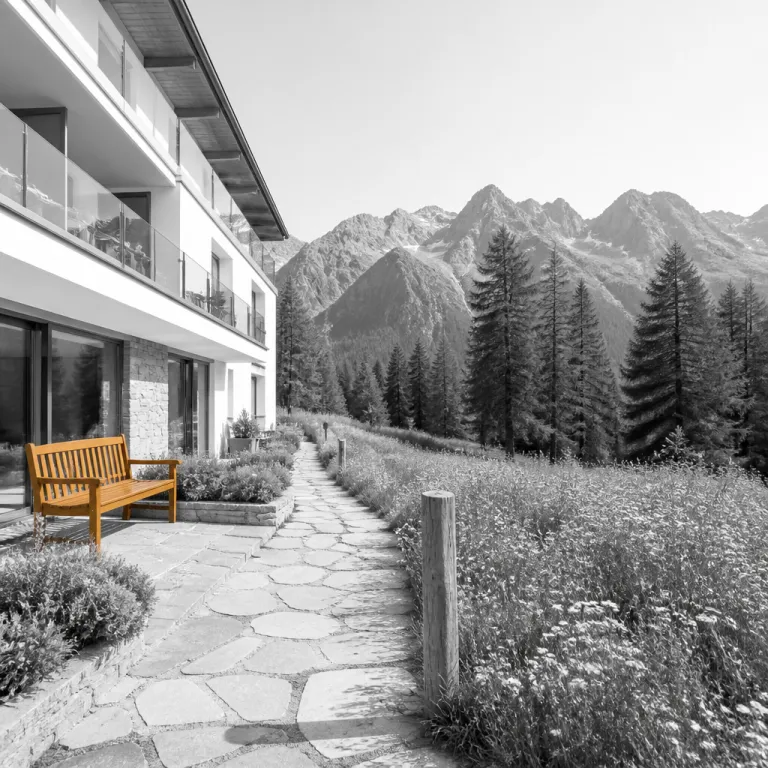
Reading the landscape: what “hotels near Swiss National Park nature reserve” really means
Staying in hotels near Swiss National Park nature reserve is less about spa menus and more about silence. These properties sit just outside the strict perimeter of the only Swiss national park, where nature dictates the timetable and human interference is kept at a minimum. You trade nightlife for the sound of red deer moving through the forest and the knowledge that the mountain outside your window belongs first to the animals.
The Swiss National Park above Zernez in Graubünden is the oldest in the Alps and remains one of Europe’s most rigorously protected national parks. No one lives inside the park, no cars leave the road, and trails are the only way to cross this high alpine basin that feels almost laboratory pure. Hotels near this national park nature reserve cluster in Zernez, Scuol, Guarda and along the Fuorn Pass road, where the line between village life and parc naziunal wilderness is only a few hundred metres wide.
For a traveler based in Switzerland, the appeal is immediate yet subtle. You can leave Zürich or Basel after breakfast, arrive in the Engadin by early afternoon and still be on the trails of Val Trupchun before the light softens. These hotels near Swiss National Park nature reserve are well worth your attention if you value sustainable tourism, because many participate in regional sustainable development projects that support the UNESCO Biosphere Val Müstair – Parc Naziunal and other linked nature parks.
Gateway to the parc naziunal: Zernez, Scuol and the Fuorn Pass
Zernez calls itself the gateway to the Swiss National Park, and in practical terms it is exactly that. The village sits where the Inn valley opens towards the upper Engadine, with the national park visitor centre, the Rhaetian Railway station and the main public transport hub all within a short walk of most hotel addresses. For a solo explorer who wants to arrive by train, drop a bag and be on the park trails in minutes, Zernez is hard to beat.
Several small, family run hotels near Swiss National Park nature reserve in Zernez offer understated alpine comfort rather than palace glamour. Rooms tend to be compact but carefully finished, with pine panelling, wool throws and mountain views that frame the alps like a painting. Ask specifically about special offers tied to the parc naziunal ; some properties include guided walks into Val Trupchun or shuttle access towards Chamanna Cluozza trailheads, which makes last minute travel planning easier.
Scuol and Guarda, further along the Engadine, suit travelers who want more village atmosphere while staying close to the national park and other nature parks in the region. From Scuol, public transport connections via the Rhaetian Railway and PostBus bring you to Zernez or the Fuorn Pass road in under an hour, so you can sleep in a spa focused hotel and still reach the park early. If you need step free access or are comparing inclusive alpine stays, it is worth reading how some Swiss properties are rethinking accessible mountain experiences in this guide to wheelchair friendly hotels with serious panorama.
Inside the silence: Val Trupchun, Chamanna Cluozza and the ethics of staying close
Once you have checked into one of the hotels near Swiss National Park nature reserve, the real luxury begins when you step onto the path. Val Trupchun is often described as the wildlife arena of the parc naziunal, where red deer, chamois and ibex graze on the slopes above the trail with almost theatrical regularity. In late summer and early autumn, the valley becomes a natural amphitheatre of sound as the deer call across the mountain walls.
Chamanna Cluozza, the park’s simple mountain hut, sits deep inside the core zone where human interference is reduced to the bare minimum. You cannot sleep there in five star comfort, but you can book a hotel in Zernez or the upper Engadine and plan a hut night as a deliberate contrast to your polished base. This pairing of refined hotel and austere alpine shelter underlines why sustainable tourism in the Swiss national park context means accepting limits, not adding more infrastructure.
Ethical travel here is about how you move, not just where you stay. Choose public transport via the Rhaetian Railway and PostBus whenever possible, and ask your hotel how it supports sustainable development or contributes to the UNESCO biosphere projects in Val Müstair. If you are drawn to dark skies and the absence of artificial light, you will appreciate how some Swiss properties frame the night as part of the stay ; this piece on hotels where the stars are part of the experience captures that mood perfectly.
Beyond Graubünden: Entlebuch, Jungfrau Aletsch and Parc Ela
Not all hotels near Swiss national park style reserves sit in the Engadin, and that is where the story widens. The UNESCO Biosphere Entlebuch in the canton of Lucerne is Switzerland’s first biosphere reserve, a patchwork of moorland, karst and pasture that feels far removed from the high alps yet equally protected. Here, small inns and family owned hotel properties in villages like Sörenberg or Schüpfheim often work directly with the biosphere reserve management on sustainable tourism initiatives.
Further south, the Jungfrau Aletsch region protects Europe’s largest glacier within a UNESCO World Heritage Site, and the hotels in the buffer zone offer a different kind of edge of nature experience. You might wake in a room above Wengen or Bettmeralp, step onto a balcony and see the mountain chain of the Bernese Alps rising above beautiful lakes and deep valleys. These are not formally part of the Swiss National Park system, yet they function as national parks in spirit, with strict building rules and a clear focus on limiting human interference.
Parc Ela in Graubünden, the largest of Switzerland’s nature parks, stretches between the Albula and Julier passes and offers perhaps the widest range of accommodation options. You can stay in a simple Gasthof where the der Wirt still speaks Romansh, or in a carefully restored historic hotel that quietly competes with city properties in Zürich or Lausanne. When you compare these stays with more urban options such as the elegant city centre hotels in Lausanne, you start to see how Swiss travel can move between culture and nature without losing a sense of continuity.
Choosing your base: Engadine villages, Val Müstair and the rhythm of the day
Within the Engadine, the choice between lower Engadin and upper Engadine bases shapes your stay as much as the hotel category. Zernez and the surrounding hamlets sit closer to the official Swiss National Park entrance, while the upper Engadine around Samedan, Pontresina and St Moritz offers more polished alpine hotel options with easier access to beautiful lakes. For a traveler based in Switzerland, it often comes down to whether you want to wake to the sound of the Rhaetian Railway or the quiet of a side valley.
Val Müstair, linked to the parc naziunal through the UNESCO Biosphere Val Müstair – Parc Naziunal, offers another perspective on hotels near Swiss National Park nature reserve. Here, family run inns in villages like Müstair or Sta Maria sit within a cultural landscape of farms, monasteries and nature parks that feels more Italian in rhythm yet firmly Swiss in governance. The biosphere reserve status means that sustainable development is not a slogan but a framework that shapes everything from building renovation to how public transport is scheduled.
Daily rhythm matters when you stay this close to protected nature. Many hotels will offer early breakfasts for guests heading into the national park or towards high alpine trails, and some arrange transfers to trailheads so you can avoid using a car. Ask specifically about special offers that bundle accommodation with guided walks, local transport passes or access to wellness areas, because these packages can be well worth the premium when you factor in the real cost of independent arrangements.
Practicalities: getting there, moving lightly and reading the fine print
Reaching hotels near Swiss National Park nature reserve is straightforward if you lean into the country’s transport network. The Rhaetian Railway links Chur with the Engadine via the Albula line, and from there frequent trains and buses connect Zernez, Scuol, Guarda and the Fuorn Pass corridor. Using public transport is not only convenient ; it aligns with the sustainable tourism principles that underpin the management of the parc naziunal and other national parks.
Once in place, you can rely on a mesh of trails that start almost at the edge of many hotel car parks. Waymarking is precise, and distances are usually given in hours rather than kilometres, which reflects how Swiss mountain culture reads the landscape. Before booking, check whether your chosen hotel participates in regional nature parks initiatives or supports the UNESCO biosphere projects, because these partnerships often translate into better local knowledge and more thoughtful guest services.
Price wise, expect a premium over standard alpine villages, but not always the rates of the most famous resorts in the alps. Many properties offer seasonal special offers outside peak school holiday periods, which can be well worth targeting if your schedule is flexible. For a Swiss based solo traveler, the sweet spot often lies in mid range family hotels that channel their resources into good beds, honest food and direct access to nature rather than into glossy extras you will barely use.
Key figures on Swiss protected areas and edge of park stays
- The Swiss National Park covers about 170 square kilometres in Graubünden, making it the largest strictly protected wilderness area in Switzerland and the only IUCN category Ia national park in the country.
- More than 80 kilometres of marked hiking trails cross the Swiss National Park, yet visitors are required to stay on paths at all times to minimise human interference with wildlife and vegetation.
- The UNESCO Biosphere Entlebuch spans roughly 400 square kilometres, with around half of that area designated as protected moorland and karst landscapes that limit large scale development.
- Parc Ela extends over approximately 548 square kilometres, making it the largest regional nature park in Switzerland and a major driver of sustainable tourism projects in central Graubünden.
- The Jungfrau Aletsch UNESCO World Heritage Site includes the 23 kilometre long Aletsch Glacier, which is the longest glacier in the Alps and a central focus of climate related research in Swiss mountain regions.
FAQ about staying near Swiss national parks and nature reserves
Are there hotels inside the Swiss National Park itself ?
No, there are no hotels or permanent settlements inside the Swiss National Park, because the core zone is strictly protected and free of permanent human habitation. All accommodation is located in surrounding villages such as Zernez, Scuol, Guarda or along the Fuorn Pass road. The only building inside the park where you can stay overnight is Chamanna Cluozza, a simple mountain hut rather than a conventional hotel.
Which village is the best base for first time visitors ?
Zernez is usually the most practical base for first time visitors, because it combines a central location with the main visitor centre and strong public transport links. You can reach most key trailheads in the parc naziunal within a short bus ride from the village. Scuol and the upper Engadine work well if you want more wellness facilities while still staying close to the park.
Do I need a car to reach hotels near Swiss National Park nature reserve ?
A car is not necessary, and many Swiss based travelers prefer to arrive by train and bus. The Rhaetian Railway connects easily with national rail services, and PostBus routes link the main Engadine villages with the park entrances and the Fuorn Pass. Using public transport reduces your environmental footprint and often simplifies logistics in winter or during busy holiday periods.
How can I tell if a hotel supports sustainable tourism ?
Look for clear information on the hotel website about partnerships with regional nature parks, the UNESCO biosphere projects or local conservation organisations. Many properties near the Swiss National Park and in Parc Ela highlight their energy use, sourcing of local food and contributions to sustainable development funds. When in doubt, ask directly by email ; serious operators will be transparent and specific about their commitments.
When is the best season to see wildlife such as red deer ?
Late summer and early autumn are often the best periods to observe red deer in areas like Val Trupchun, when the animals are more active and the rutting season begins. Spring can also be rewarding, as snow melts and wildlife returns to higher pastures along the mountain slopes. Always follow park rules, stay on marked trails and keep a respectful distance from animals to avoid disturbing them.