Two design languages reshaping swiss hotel design architecture 2026
Swiss travelers booking a luxury hotel at home now face a clear aesthetic choice. The most ambitious hotels in Switzerland move between international minimalism and deeply rooted Alpine architecture, and the current wave of contemporary Swiss hotel design is defined by how confidently each property commits to one of these paths. When you compare hotels across a single canton, you will feel how this split influences rooms, wellness spaces, and even the courtesy shown in how staff talk about the surrounding landscape.
On one side stand the international names, where a hotel might be drawn with the same pencil that shaped a flagship in London or Los Angeles. These hotels often present a calm, gallery like interior design with pale stone, precise lighting, and a view framed like a photograph, and they appeal to couples who travel frequently and want continuity between their favourite addresses. On the other side, mountain lodges and lakeside retreats in Switzerland lean into timber, local stone masonry, and regional craft traditions, and they build a sense of community that feels anchored in the village rather than in a global design circuit.
For a couple based in Zürich or Lausanne, this tension is not theoretical. When you log into a premium booking website and filter hotels by dates, region, and wellness facilities, you will see both schools of architecture appear side by side. The smartest approach is to decide whether this particular trip is about a refined, almost urban calm in the mountain air, or about a hotel where the architecture, the rooms, and even the terms and conditions of your stay feel shaped by the rhythms of Swiss life.
Joseph Dirand in Gstaad: French rigour in a Swiss mountain frame
Gstaad has long been a reference point for luxury hotels in Switzerland, but the latest chapter in swiss hotel design architecture 2026 gives the village a new design focus. Park Gstaad, originally opened in 1910 and situated at roughly 1 050 meters altitude in the Bernese Oberland, has been repeatedly updated to reflect contemporary tastes, including a major redesign completed in 2010 according to official Park Gstaad communications. In recent years, French interior architect Joseph Dirand has been cited in design media and hospitality press as a reference for how a minimalist designer might reframe what a mountain hotel can feel like, especially in projects where the surrounding landscape and the mountain light are as important as any piece of furniture.
Dirand is known from verified projects such as Monsieur Bleu in Paris and the Four Seasons Surf Club in Miami, where his architecture and interior design language uses clean lines and disciplined palettes. Applied to a Swiss mountain context, this approach typically combines pale stone, precise lighting, and carefully edited artworks with local timber and stone textures to keep a hotel grounded in its setting. The result tends to appeal to couples who appreciate the courtesy of quiet, uncluttered spaces, where a large window becomes the main decorative gesture and every view feels intentional.
For Swiss travelers, the practical question is how this translates into an actual stay. Expect rooms that feel generous but not ostentatious, with wellness areas that prioritise light, proportion, and calm over spectacle, and a service culture that understands you may arrive by train from another canton rather than by private jet. When you compare hotels in Gstaad on a booking platform, note how a design led property positions itself between the palace rate and the more traditional Berghotel, and decide whether this precise, international design language is what you want for these specific travel dates.
Timber lodges, Maya Hotel & Spa, and the rise of sustainable Alpine architecture
While Park Gstaad illustrates the international side of swiss hotel design architecture 2026, a parallel movement in Switzerland is rewriting what a mountain lodge can be. Properties such as the timber built Maya Boutique Hotel & Spa in Nax, Valais, documented in Swiss sustainability awards and regional tourism guides, use straw bale insulation, solar energy, and low impact construction to make architecture itself a statement about how we should travel in fragile Alpine environments. Opened in 2012 according to Maya Boutique Hotel & Spa information, the property shows how a small, design conscious hotel can combine ecological engineering with a warm, handcrafted interior. Here, the hotel is not just a place to sleep but a visible commitment to the surrounding landscape and to the community that builds and maintains it.
At Lake Sarnen in Obwalden, local press and municipal planning documents describe spa and wellness buildings that rely on regional wood species, low energy systems, and direct access to the lakeshore. In such projects, the architecture leans on exposed timber structures, high performance insulation, and a wellness concept that opens directly to the water, and the result is a hotel experience where you feel the grain of the timber under your hand before you even reach your rooms. For Swiss couples planning a weekend, this kind of project offers a different luxury from a west coast beach resort or a glass tower in Los Angeles; it is about silence, craftsmanship, and the feeling that your stay will leave a light footprint.
On booking websites, these timber lodges often sit in the same search results as more conventional hotels, yet their design philosophy is distinct. Read the privacy policy and the terms and conditions carefully, because they sometimes include details about local sourcing, community partnerships, or wellness rituals that extend beyond the spa into the forest or lakeside paths. If the new generation of Swiss hotel design has a conscience, it lives in these timber structures that turn sustainability from a marketing line into the core architecture of the hotel.
Lalique suites and Villa Florhof: crystal, heritage, and urban Swiss elegance
Not every expression of swiss hotel design architecture 2026 happens in a mountain village. In Zürich’s old town, projects such as the planned revitalisation of Villa Florhof with Lalique suites, announced in official communications by the property and by Lalique, show how a historic Swiss hotel can be renewed through a partnership with a heritage design house. Lalique, founded by René Lalique in 1888 and known for luxury crystal creations and decorative arts, brings an Art Deco sensibility that plays against the patina of old masonry and timber beams.
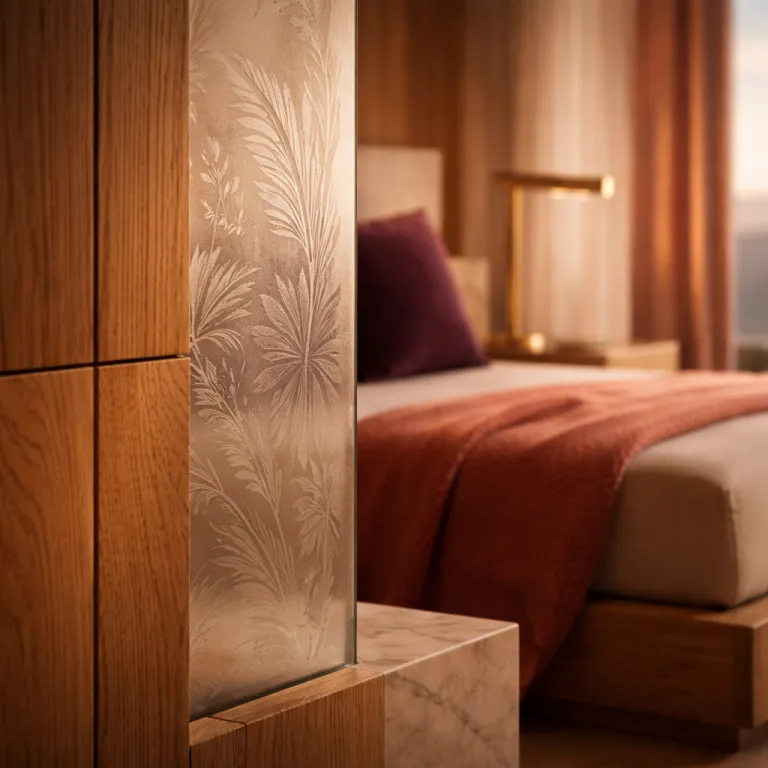
In these suites, interior design becomes a dialogue between etched crystal, soft textiles, and carefully restored architectural details, and the hotel positions itself as a quiet urban retreat for couples who want culture as much as comfort. You might spend the day walking along the Limmat rather than a beach, yet the courtesy of the staff and the precision of the design echo the best addresses in London or on the American west coast. When you book, pay attention to how many rooms carry the full Lalique treatment and whether your chosen dates align with cultural events in the city, because this can shape the atmosphere in the public spaces.
For Swiss residents, these urban hotels offer a different way to engage with national heritage. Instead of a mountain wellness weekend, you will find architecture that layers Swiss history with French decorative arts, and a community of guests who may be in town for business, opera, or a quiet anniversary dinner. In the wider context of Swiss hotel design and architecture, these Lalique suites demonstrate that a hotel can be both a guardian of local history and a stage for international design brands without losing its sense of place.
How to choose: international minimalism or rooted Alpine materiality ?
When you plan your next stay within Switzerland, the most useful filter is not only stars or spa size but which design school speaks to you. Contemporary swiss hotel design architecture 2026 makes this choice more visible, because hotels now communicate their architecture and interior design philosophy as clearly as their room categories. The question is whether you want a hotel that could almost sit in London or Los Angeles, or one that could exist only in this specific valley, on this specific slope.
Internationally led hotels, such as a Joseph Dirand style project in Gstaad, excel when you value consistency, refined minimalism, and a service culture that anticipates global expectations. These hotels often have rooms that feel like calm, neutral canvases where the view and the art do the talking, and they suit couples who travel frequently and appreciate a familiar design language. Rooted Alpine properties, from Maya Boutique Hotel & Spa in Valais to timber based wellness projects around Lake Sarnen, prioritise local materials, community ties, and wellness concepts that extend into the surrounding landscape, and they reward guests who want to feel the specific character of a place.
On a practical level, use your booking platform’s filters with intent rather than habit. Check how each hotel describes its architecture, whether the log of recent renovations mentions timber, stone, or international designers, and how the terms and conditions frame sustainability or community engagement. When you see contemporary Swiss hotel design referenced in a property description, read between the lines; the best hotels will show, through their rooms, their wellness spaces, and their quiet courtesy, that design is not a theme but the structure of your entire stay.
FAQ
How is Joseph Dirand influencing Swiss mountain hotels ?
Joseph Dirand brings a minimalist, rigorously composed aesthetic to high end hospitality projects, documented in international design magazines and hotel press releases, and this language is increasingly referenced in Swiss mountain hotels. In properties inspired by his work, interiors balance clean lines with local materials so that rooms feel calm and edited, with architecture framing the mountain view rather than competing with it. For Swiss travelers, his approach offers a familiar international design vocabulary translated carefully into an Alpine context.
What makes timber lodges and spas in Switzerland different from traditional chalets ?
New timber lodges and spa buildings, such as the sustainable Maya Boutique Hotel & Spa in Nax or recent wellness projects around Lake Sarnen, use engineered wood, high performance insulation, and low energy systems rather than purely decorative chalet styling. Their architecture is driven by sustainability and wellness, with direct connections to the surrounding landscape and often to the local community of builders and artisans. This creates hotels where environmental performance and design quality are inseparable.
Why are Lalique suites significant for urban Swiss hotels ?
Lalique suites, like those announced for Villa Florhof in Zürich, signal a deeper integration of luxury design brands into Swiss hospitality. They combine historic architecture with crystal, glass, and Art Deco inspired interior design, giving urban hotels a distinctive identity that competes with international addresses in London or on the west coast of the United States. For guests, this means a stay that feels both rooted in Swiss history and connected to a wider design culture.
How should I read design information on a Swiss hotel booking website ?
When browsing a Swiss booking platform, go beyond star ratings and look at how each hotel describes its architecture, materials, and wellness concept. Check whether the property highlights local timber, stone, and community partnerships, or whether it emphasises international designers and a global style. Reading the terms and conditions and privacy policy can also reveal commitments to sustainability and local sourcing that align with the design story.
Is swiss hotel design architecture 2026 only relevant for luxury travelers ?
While the most visible examples sit in the luxury and premium segment, the ideas behind swiss hotel design architecture 2026 are filtering into smaller hotels and guesthouses. You will increasingly see careful use of timber, thoughtful interior design, and wellness oriented layouts even in modest properties. For Swiss couples, this means more choice at different price points without sacrificing a strong sense of place.
Sources
For further factual background on properties and designers mentioned, consult Forbes Travel Guide for coverage of Park Gstaad, National Geographic Travel for Alpine hotel case studies, official Park Gstaad communications on the 2010 renovation, regional tourism offices in Valais and Obwalden for Maya Boutique Hotel & Spa and Lake Sarnen wellness projects, and the official Lalique and Villa Florhof press releases announcing the planned Lalique suites in Zürich.