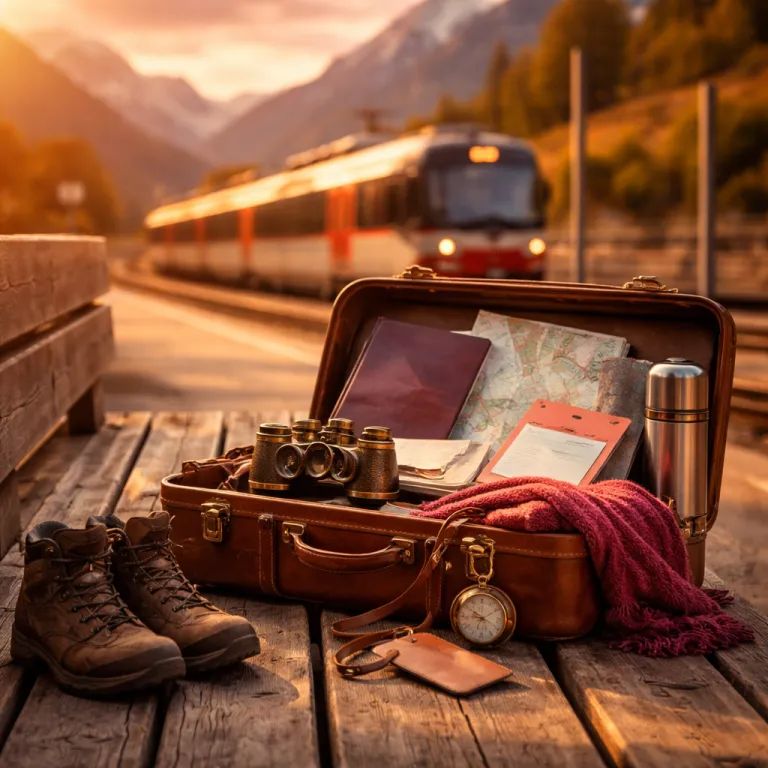
How to turn the grand train tour of Switzerland into a hotel itinerary
The question of where to sleep along the Grand Train Tour of Switzerland is really about rhythm. A Swiss traveler already trusts the efficiency of an express train, but choosing where to pause transforms a simple rail loop into a curated grand tour with character. On a route that links 1,280 kilometers of tracks, five Alpine passes and twenty-two lakes, the right overnight stop can matter more than the timetable.
Think of the Grand Train Tour as a string of distinct Swiss worlds rather than one long journey. Each day by rail across Switzerland offers a different mood: lake light in the morning, glacier views by afternoon and village quiet at night. The most rewarding itinerary builds in two or three nights in key hubs, using panoramic trains as scenic corridors between your chosen retreats instead of treating them as a race.
For a premium family, the aim is not to tick every named route in one frantic sprint. It is to pair child-friendly luxury hotels with manageable rail segments, so mornings start calmly and the next station is never a stress point. When you treat each leg of the journey as a chapter, the puzzle of planning overnights along the Grand Train Tour becomes a pleasure to solve rather than a logistical chore.
Panoramic services such as the Glacier Express, Bernina Express, GoldenPass Express and Gotthard Panorama Express are worth structuring whole days and nights around. These expresses cross some of Europe’s most dramatic landscapes, yet they only reveal their full charm when you step off into a lake town or Alpine village for an unhurried stay. The official guidance is clear on pacing: “How many days is the Grand Train Tour? Typically 8 days.” For many families, that is a starting point rather than a limit.
Lucerne and Interlaken: lake gateways that earn a longer stay
Lucerne is where many Swiss families should start planning their Grand Train Tour hotel strategy. The city’s compact old town, lakeside promenade and easy access to Pilatus and Rigi make it an ideal first stop before the mountains get serious. With frequent trains from every corner of Switzerland, you can arrive after work, check into a lake-facing hotel and still have time for a twilight stroll over the Chapel Bridge.
For a premium family, a two-night stay in Lucerne allows one full day on the lake and one on the peaks. Choose historic hotels near the station if you want to roll your suitcase straight from the intercity platform to the lobby, or opt for a quieter lakeside address where the only soundtrack is the clink of cutlery and the soft slap of water against the quay. The Lucerne–Interlaken segment, sometimes branded as part of the GoldenPass route, takes around two hours and is a gentle introduction to scenic trains before you tackle the more dramatic glacier corridors.
Interlaken itself divides opinion among Swiss residents, yet for the Grand Train Tour it remains a practical hub. This is the launchpad for Jungfraujoch, Mürren and Wengen, and the regional trains fan out towards both lakes and high valleys. Families who value convenience over postcard perfection will appreciate being close to the station, especially when returning from a long day on the mountain railways with tired children and damp hiking gear.
If you prefer a more characterful Alpine base, consider using Interlaken mainly as a transfer point and booking your nights in nearby car-free villages. A stay in a traditional Gasthof above the lake can feel more luxurious than a generic town property, even without palace-level amenities. For inspiration on how modern Alpine stays are evolving, look at how concepts similar to Swisspeak-style resorts reinvent family-friendly mountain bases while keeping the focus on landscape and local food.
Zermatt and St. Moritz: where panoramic expresses meet Alpine luxury
Zermatt is the point where your Grand Train Tour overnight strategy becomes non-negotiable. The village is car-free, the Matterhorn dominates every angle and the Glacier Express either starts or ends here, so rushing through on a single day would be a waste. For a Swiss-based traveler, this is the moment to trade routine for ritual: arrive on an afternoon express, check into a refined Alpine property and let the evening unfold between spa, terrace and Valais wine.
Families planning to ride the Glacier Express should allow at least two nights in Zermatt, one before and one after the long panoramic journey. The Glacier Express itself is a full day on rails, usually seven to eight hours between Zermatt and St. Moritz, with the landscape shifting from high glacier plateaus to deep valleys while you sit behind vast windows. Booking a hotel close to the station simplifies luggage logistics, but many of the most atmospheric historic hotels sit slightly uphill, rewarding the short walk with quieter nights and better views.
St. Moritz, on the other end of the Glacier Express and near the Bernina Express, deserves similar respect in your itinerary. This Engadin resort is often associated with winter glamour, yet in the softer seasons it becomes a base for lake walks, high meadows and side trips on local trains that feel like private charters. A Grand Train Tour plan that links Zermatt and St. Moritz by Glacier Express, then adds a Bernina Express day trip towards Tirano, gives you two very different Alpine moods anchored by serious hospitality.
Premium families who value wellness facilities and precise service will find St. Moritz particularly strong. Many properties here understand that a child-friendly spa schedule and early breakfast options can make or break a long rail journey. For a sense of how refined yet relaxed an Alpine stay can feel in this context, study the kind of experience offered by an address such as the Europe Hotel & Spa in Zermatt, then look for similar standards when you choose your Engadin base.
Montreux, Lake Geneva and Lugano: Riviera pauses on the rail grand tour
Once you have crossed the high passes by Glacier Express or Bernina Express, the Grand Train Tour puzzle shifts towards water and wine. Montreux on Lake Geneva is the classic Riviera pause, with palm-lined quays, Belle Époque façades and a microclimate that feels almost Mediterranean on a good day. Arriving here on a GoldenPass Express or another scenic train from the Bernese Oberland, you feel the temperature rise and the pace soften within minutes of stepping off the carriage.
For a Swiss family, Montreux works best as a two-night stop that mixes lake time, vineyard walks and perhaps a short cruise. Many of the grander historic hotels line the waterfront, but there are also more contemporary properties a little back from the lake that still offer easy access to the station. If you prefer a slightly quieter yet equally elegant base on Lake Geneva, consider Lausanne and its Ouchy district, where a property such as Hotel Angleterre & Résidence shows how lakeside elegance and efficient rail access can coexist.
Lugano brings a different flavour to the grand tour, with Italian spoken on the streets and palms framing the lakefront. The Gotthard Panorama Express route, which combines lake boat and train, is a particularly graceful way to arrive, turning the transfer into a slow-travel experience that children tend to remember. Here, a well-paced itinerary should allow at least one full day for gelato on the piazza, a funicular ride and perhaps a short boat trip before you rejoin the trains towards central Switzerland.
Because Lugano sits at the crossroads of north–south travel in Europe, hotels near the station can feel more transient, while lakeside properties lean into resort mode. Premium families often do well with a compromise: a hotel close enough to walk from the express with luggage, but far enough towards the lake that evenings feel like a holiday rather than a commute. Used this way, Lugano becomes a restorative pause between the Alpine drama of Zermatt or St. Moritz and the more familiar rhythms of home.
Practical planning: how many nights, which passes and where to splurge
Designing a Grand Train Tour itinerary from within Switzerland gives you one major advantage. You can break the 1,280-kilometer loop into segments that fit your family’s calendar, rather than committing to a single continuous circuit. Many Swiss residents choose to tackle the route over several long weekends, using the Swiss Travel Pass or regional passes to keep ticketing simple while focusing their budget on a few standout hotel stays.
The official advice that “How many days is the Grand Train Tour? Typically 8 days.” is a useful benchmark, but not a rule. A premium family might stretch that into ten or twelve nights by adding extra time in Lucerne, Interlaken, Zermatt, St. Moritz, Montreux or Lugano, turning transfer days into relaxed, experience-rich pauses. The key is to align long express segments such as the Glacier Express, Bernina Express, GoldenPass Express or Gotthard Panorama Express with nights in places that genuinely tempt you to unpack.
From a hospitality perspective, this is where a specialist Swiss hotel platform earns its keep. A good tour manager or curated booking site will not only list hotels near each station, but will also flag which properties work best for families, which are true historic landmarks and which offer the kind of lake or glacier views that justify a premium rate. For a domestic traveler, that level of curation matters more than generic European rankings, because you already know the destinations; what you need is clarity on which keys to pick up at the end of each long day.
When you plan your own Grand Train Tour route, think in layers. First choose the scenic trains that matter most to you, then decide where you want to slow down by the lake or under a glacier, and only then match specific hotels to those pauses. With that structure in place, the journey becomes less of a checklist and more of a personal rail atlas, one where every overnight stay adds a new page to your own Swiss travel story.
FAQ
How many overnights do I need for a comfortable grand train loop ?
Most travelers based in Switzerland find that eight to ten nights allow a comfortable Grand Train Tour, with at least one or two nights each in Lucerne, Interlaken, Zermatt, St. Moritz and either Montreux or Lugano. This pacing gives you time to enjoy Glacier Express or Bernina Express segments without rushing straight back onto another train. Families with younger children often add one extra lake stop to keep travel days shorter.
Is a Swiss Travel Pass essential for the grand train tour ?
A Swiss Travel Pass is not legally required, but it is highly recommended for a rail journey that includes multiple scenic routes and city transfers. The pass covers most regular trains, boats and many mountain railways, so you only need separate reservations for services such as Glacier Express or Bernina Express. For Swiss residents who already use regional passes, it is worth comparing the total duration and cost of your planned journey before deciding.
Do I need seat reservations on panoramic express trains ?
Yes, seat reservations are mandatory on major panoramic expresses such as Glacier Express, Bernina Express and some Gotthard Panorama Express services. These reservations are separate from your ticket or Swiss Travel Pass and should be booked well in advance, ideally two to three months before peak holiday periods. Regular intercity trains on the same routes usually do not require reservations, but they lack the full panoramic windows.
Which stops are best for families on the grand train route ?
Lucerne, Interlaken, Zermatt, St. Moritz, Montreux and Lugano all work well for premium families, each offering easy access from the station and a mix of gentle activities. Lucerne and Montreux are ideal for lake-based days, while Interlaken and Zermatt provide straightforward links to mountain railways and car-free villages. St. Moritz and Lugano add a more resort-like feel, with strong hotel infrastructure and plenty of short excursions.
How far in advance should I book hotels along the route ?
For a Grand Train Tour itinerary that includes Glacier Express or Bernina Express, booking hotels two to three months ahead is prudent, especially for summer and autumn weekends. Car-free destinations such as Zermatt and smaller lake towns around Lake Geneva can fill quickly when events or festivals are scheduled. Early booking also gives you better choice among historic hotels and family-friendly properties close to the station.