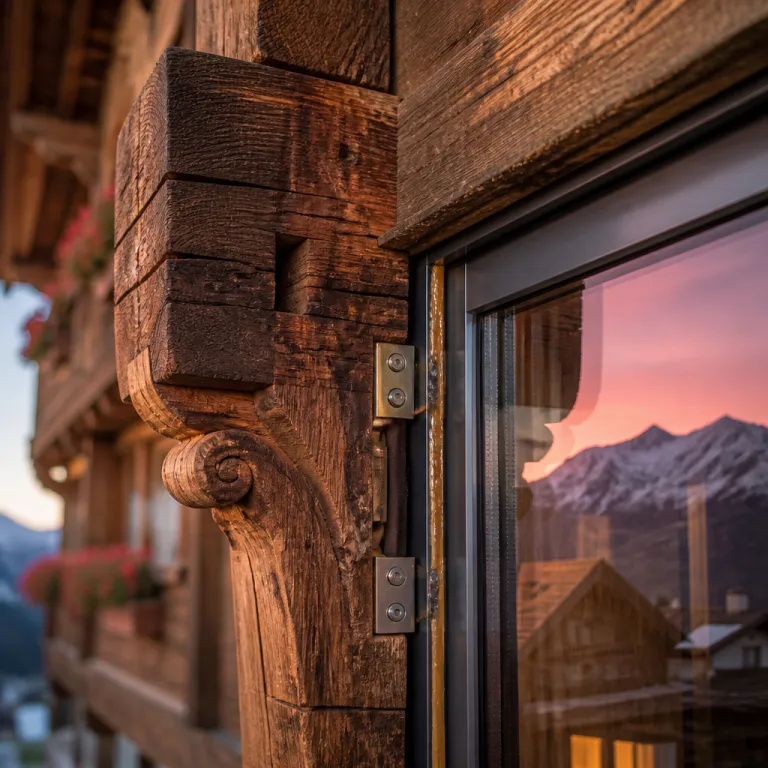
Why swiss hotel renovation architecture heritage design matters for local travelers
For a couple based in Switzerland, the most memorable hotel stays often begin with a building that tells a story. Swiss hotel renovation architecture heritage design is about keeping that story legible while quietly upgrading everything you cannot see, from insulation to wiring. You feel the difference the moment you step from a cobbled square into a lobby where timber beams, soft light and precise contemporary design share the same air.
Across switzerland, hoteliers face a delicate equation ; they must respect strict swiss heritage rules while competing with new luxury resorts that offer spa suites, thermal glass façades and seamless technology. The best swiss hotels turn this constraint into character, using renovation to highlight historic details rather than hide them, and to frame views of a lake or alpine ridge with the same care as a painting. For travelers choosing between hotels switzerland wide, the question is no longer old versus new, but which historic hotel has been reimagined with enough architectural intelligence to feel both rooted and relevant.
This is where the main theme of swiss hotel renovation architecture heritage design becomes a practical booking filter, not just an aesthetic slogan. A palace hotel on lake geneva that has been reworked by an award winning architectural équipe will feel very different from a hastily refreshed grand hotel with generic furniture. When you understand how architecture, heritage and modern design interact, you can choose swiss hotels that match your own rhythm as a couple, whether you want a grand belle epoque palace in lausanne or a quiet family owned alpine retreat with nothing but cow bells and views lake for company.
Inside the palaces: lucerne, lausanne and the new language of lakefront luxury
On the lakes, swiss hotel renovation architecture heritage design plays out at its most theatrical scale. In Lucerne, the Mandarin Oriental Palace shows how a historic palace hotel can be stripped back and renewed without losing its lakeside gravitas. The façade still reads as a grand hotel from the belle epoque, yet inside the 136 rooms the design language is modern, with clean architectural lines, generous glazing and carefully restored plasterwork that frames the views lake rather than competing with them.
Heritage protection along lake geneva is even more intense, which is why the renovation of the Beau Rivage and the nearby Rivage Palace in Lausanne has become a reference for architects and hoteliers across switzerland. These palace lausanne icons sit on some of the most valuable lakefront land in the country, yet their owners chose to double down on historic swiss character instead of chasing a generic international look. Public salons retain their belle epoque proportions and ceiling frescoes, while guest rooms gain discreet thermal glass, improved acoustics and lighting design that flatters both the lake and the original architectural detailing.
For a swiss couple booking a weekend, the difference is tangible ; you are not just paying for a palace rate, you are paying for a point of view on swiss heritage. Our own guide to alpine architecture and lakefront design, available through the my-switzerland-stay.com feature on Swiss hotel design and timber lodges, shows how these hotels balance tradition and innovation room by room. When you compare these renovated palace hotels with newer properties from brands such as Mandarin Oriental elsewhere in hotels switzerland, you see how a strong architectural concept can make a century old corridor feel as fresh as a newly built spa wing.
Alpine case studies: from kulm hotel to quiet timber retreats
In the mountains, swiss hotel renovation architecture heritage design becomes more intimate, because the architecture is closer to the landscape. At Kulm Hotel in St. Moritz, the planned transformation led by a world renowned architect aims to invest well over one hundred million francs to rework circulation, guest rooms and spa areas while keeping the historic hotel silhouette that defines the upper village skyline. The ambition is clear ; to create a grand alpine palace that still feels like a traditional swiss landmark, not a generic resort dropped onto the Engadin plateau.
Nearby, the story of Hotel Heiden in the Appenzeller Vorderland shows how smaller swiss hotels can use renovation to reconnect with their roots. Here, architects peeled back layers of previous refurbishments to reveal original timber structure and historic details, then paired them with modern materials and a calmer interior design palette. The result is a property where swiss heritage is not a marketing line but a lived experience, from the creak of the staircase to the way morning light hits the lake in the distance.
Across switzerland, family owned alpine hotels are quietly rewriting the rules, often with less budget but more patience than the big palace brands. They work with local craftsmen to restore façades, replace windows with high performance thermal glass and refine room layouts so that every bed faces either a peak or a valley, creating those coveted views lake or glacier. For couples who know gstaad, Sils-Maria or the slopes above hotel moritz by heart, these renovations mean you can return to a familiar grand hotel or Gasthof and still feel pleasantly surprised by the new architectural clarity and comfort.
Architects, hoteliers and the rules that shape swiss heritage
Behind every successful swiss hotel renovation architecture heritage design project sits a triangle of interests ; the architect, the hotelier and the heritage authority. Architects bring the architectural vision, pushing for more light, better circulation and a coherent design language that can carry a property for decades. Hoteliers focus on operations, from how a family moves through a suite to how staff can service a floor without disturbing guests in a luxury palace or a modest lakeside inn.
Swiss heritage officials, whether at communal or cantonal level, act as guardians of historic swiss fabric, and their influence is often underestimated by travelers. They may insist that a belle epoque staircase in a grand hotel be retained, or that a façade on lake geneva keeps its original rhythm of windows even when thermal performance must be upgraded. As one official explanation often summarises it, "By collaborating with heritage preservation authorities and integrating modern amenities without altering historical elements."
For you as a guest, these negotiations translate into very concrete experiences, from the height of a balustrade on a lakefront terrace to the way a corridor bends around a historic load bearing wall. When you choose swiss hotels that have recently completed careful renovations, you are benefiting from years of dialogue between architects, hoteliers and regulators who all care, in different ways, about swiss heritage. This is why some historic hotels feel effortlessly modern while others seem frozen in time ; the best projects treat regulation not as a burden but as a design brief that can elevate both architecture and hospitality.
How to book with an architect’s eye: practical tips for swiss couples
Approaching your next booking through the lens of swiss hotel renovation architecture heritage design changes how you read a hotel website. Instead of scanning only for spa size or restaurant stars, look for clear information about recent renovations, named architects and references to heritage protection. A palace hotel that proudly explains its work with local craftsmen and shows drawings of restored façades is usually more serious about swiss heritage than one that hides behind generic lifestyle language.
When comparing hotels switzerland wide, pay attention to how each property frames its relationship with place. A lakefront grand hotel on lake geneva should talk about its belle epoque history, its role in lausanne or Geneva society and how its latest renovation improved views lake from key rooms without erasing original cornices or parquet. An alpine retreat near gstaad or hotel moritz should be explicit about traditional swiss materials, from timber frame construction to stone sourced from nearby valleys, and how modern design elements such as thermal glass or sculptural staircases enhance rather than dilute that character.
For couples who value intimacy, family owned historic hotels often provide the richest sense of continuity, because the same family may have overseen several renovation cycles. Ask directly how the hotel balances heritage and comfort ; a confident team will happily explain why some rooms keep smaller historic windows while others feature larger modern openings. In the end, choosing between a palace in lausanne, a mandarin oriental address in Lucerne or a quiet rivage style inn on a lesser known lake is less about star ratings and more about which architecture and design story you want to inhabit for a few nights.
FAQ
How do Swiss hotels preserve historical architecture during renovations ?
Swiss hotels preserve historical architecture by working closely with communal, cantonal and federal heritage authorities from the earliest planning stages. They map every protected element, from façades to staircases, then design modern upgrades such as thermal insulation, lifts and spa areas around those fixed points. As official guidance states, "By collaborating with heritage preservation authorities and integrating modern amenities without altering historical elements."
Why do Swiss hotels invest so heavily in heritage focused renovations ?
Owners invest in heritage focused renovations because character is a competitive advantage in a mature market like switzerland. A well restored historic hotel can charge a premium while offering guests a sense of place that no new build can replicate. These projects also protect swiss heritage for future generations, aligning commercial goals with cultural responsibility.
What is the difference for guests between a renovated historic hotel and a new build ?
Staying in a renovated historic hotel usually means richer spatial sequences, thicker walls and details such as staircases, cornices or timber beams that tell a story. New builds often excel in efficiency, with larger windows, more flexible layouts and cutting edge wellness facilities. The best swiss hotel renovation architecture heritage design projects aim to combine the emotional depth of the former with much of the comfort and sustainability of the latter.
How can I tell if a hotel renovation has been done thoughtfully before I book ?
Look for transparent information about the renovation on the hotel website, including dates, named architects and references to heritage collaboration. Photos should show both restored historic elements and modern interventions, rather than only close ups of cushions or cocktails. Reviews from other guests based in switzerland can also highlight whether the balance between charm and comfort feels right in practice.
Are heritage protected hotels always more expensive than modern properties ?
Heritage protected hotels are not automatically more expensive, although complex renovations often raise costs. In some regions, family owned historic hotels remain competitively priced because they operate year round and rely on loyal swiss guests rather than only peak season tourism. If you travel outside the busiest holiday periods, you can often access palace level architecture and design at more approachable rates.