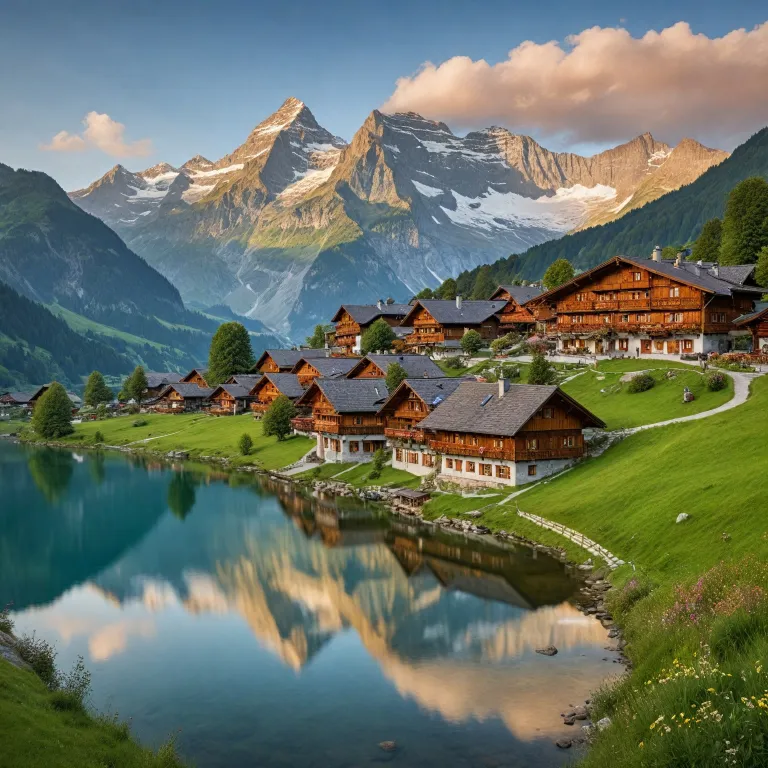
Choosing switzerland alps towns when you already live in Switzerland
Living in Switzerland gives you an advantage when planning a stay in switzerland alps towns. You already understand the rhythm of the seasons, so you can time a hotel stay in a swiss town for quieter midweek escapes or shoulder periods with softer light and calmer mountain views. This local insight helps you compare each mountain village and town with more nuance, especially when you balance travel time, budget, and the level of luxury you expect from a premium hotel spa.
For many residents, the first decision is whether to book a hotel in a car free village such as Zermatt or Wengen, or to base the trip in a more accessible town like Interlaken or even central Zurich. A car free swiss town offers cleaner air, peaceful streets, and uninterrupted valley views, yet it may require a longer train journey and a final cable car or cogwheel train. By contrast, staying Interlaken or another hub in the Bernese Oberland keeps you close to the main train station and multiple bus lines, which is ideal if you plan several short walk excursions rather than one long hiking or hiking skiing day.
Because you know the country, you can evaluate pros cons with more precision than an overseas visitor. You might accept a thirty minute walk from the station in exchange for a quieter hotel located above the valley, or you may insist on a five minute walk to the platform for early morning connections. When you compare hotels, check how clearly each property explains access to hiking trails, the nearest cable car, and restaurant options in the immediate village. A refined trip swiss experience starts with aligning these practical details with your expectations for comfort, service, and time well spent in the swiss alps.
Understanding key switzerland alps towns in the Jungfrau region
The Jungfrau region concentrates some of the most iconic switzerland alps towns, each with a distinct character and hotel profile. Wengen sits on a sunny terrace above the lauterbrunnen valley, car free and reached only by train, which creates a calm atmosphere ideal for slow travel and long stays. Grindelwald, by contrast, is a larger village located beneath the Eiger mountain, with more hotels, livelier nightlife, and a broader mix of restaurant options for travelers who enjoy variety after a day on the hiking trails.
Lauterbrunnen itself lies on the valley floor, framed by cliffs and waterfalls that define many postcard views of the swiss alps. From this compact town, you can reach Wengen by train in minutes, or take the cable car towards Mürren, which makes it a strategic base for a flexible trip swiss. When comparing hotels in these swiss towns, consider whether you prefer immediate access to the lauterbrunnen valley floor for easy walking, or higher mountain views from a terrace in Wengen or Grindelwald.
Interlaken, although not a high mountain village, remains the main transport hub for the Bernese Oberland and the wider jungfrau region. Many travelers choose staying Interlaken for one or two nights to simplify connections from Zurich or other swiss cities before moving to a quieter mountain village. For a deeper overview of refined swiss mountain towns and how they differ in atmosphere, access, and hotel style, you can consult this guide to swiss mountain towns for refined stays in the Alps, which complements your own local knowledge.
Balancing access and atmosphere when choosing your base
For a traveler already based in Switzerland, access often matters as much as scenery when selecting among switzerland alps towns. If you are leaving after work on a Friday, a hotel located within a short walk of the train station in Interlaken, Grindelwald, or Wengen can save precious time and reduce stress. In some swiss towns, a five minute walk with luggage is realistic, while in others a steep ten minute walk uphill after a long train journey may feel less appealing, especially in winter.
Car free villages such as Zermatt or Wengen reward the extra effort with quiet streets, clear mountain air, and dramatic mountain views that feel far removed from daily life. However, you must factor in the final train or cable car connection, particularly if your hotel is a further short walk from the arrival point. When you evaluate pros cons, consider whether you prefer to arrive once and stay several nights in a single hotel spa property, or to split your trip swiss between a valley town and a higher village.
Some travelers choose a lake side base such as Interlaken, combining lake excursions with day trips into the lauterbrunnen valley or the jungfrau region. Others prefer to stay directly in a mountain village, accepting fewer restaurant options in exchange for immediate access to hiking trails and skiing lifts. If you are also considering a refined lakeside escape beyond the high alps, a dedicated resource on Lake Geneva villa rentals for Swiss travelers can help you compare the feel of lake and mountain stays.
Evaluating luxury and premium hotels with a local eye
When you already know Switzerland, you tend to judge luxury and premium hotels in switzerland alps towns by more than just star ratings. Location remains crucial, especially whether the hotel is located near a train station, a cable car, or the start of key hiking trails in the jungfrau region or the wider Bernese Oberland. A hotel that promises mountain views but sits beside a busy road may not feel as refined as a quieter property slightly further uphill with better valley views.
As a local traveler, you can also compare hotel spa facilities with more nuance, because you have likely experienced several swiss hotels over time. Look for clear information about pool size, sauna areas, and whether spa access is included in the room rate or charged separately during your stay. In car free villages such as Wengen or Zermatt, a well designed spa can transform a simple trip swiss into a restorative retreat, especially after long hiking or hiking skiing days.
Restaurant options deserve particular attention, since some swiss towns offer only a handful of evening choices within a reasonable minute walk of your hotel. In smaller villages, half board can be a practical solution, while in larger towns like Interlaken or Grindelwald you may prefer to explore different restaurants each night. For a structured overview of how premium booking platforms curate and present these details for swiss hotels, you can consult this analysis of a premium hotel booking website in Switzerland, which highlights what to check before confirming your reservation.
Designing themed stays in switzerland alps towns
One advantage of living in Switzerland is the freedom to design themed stays across different switzerland alps towns rather than chasing a single once in a lifetime trip. You might plan a hiking focused weekend in the lauterbrunnen valley, choosing a hotel located near the cable car or train station to reach higher trails quickly. Another time, you could book a quieter stay in Albinen or Adelboden, where traditional swiss mountain architecture and slower rhythms encourage rest more than ambitious hiking trails.
For winter, many residents design short hiking skiing breaks in the jungfrau region, combining mornings on the slopes with afternoons in a hotel spa. In this case, the pros cons of staying Interlaken versus a higher village such as Grindelwald or Wengen become sharper, because lift access and first tracks matter more than broad restaurant options. A car free village can feel magical under fresh snow, yet an accessible car arrival in a valley town may be easier if you travel with equipment or children.
Cultural themes also work well, especially in swiss towns like Evolène, where traditional music and language are actively preserved. You might pair a stay there with another night in Zermatt, one of the highest swiss alps towns, to contrast cultural depth with iconic mountain views. By approaching each trip swiss as a focused stay rather than a rushed circuit, you can appreciate the subtle differences between every village, valley, and lake side town you visit.
Practical tips and expert insights for Swiss based travelers
Even when you know the country well, a few practical habits can elevate every stay in switzerland alps towns. Check local weather forecasts carefully, because conditions can vary sharply between a valley town like Interlaken and a higher village such as Wengen or Grindelwald. When booking hotels, confirm the exact walking time from the train station, whether the route is uphill, and if luggage transport is available in car free villages.
For flexible weekends, consider combining public transport with an accessible car approach, especially if you plan to visit smaller swiss towns such as Albinen or Evolène. In the Bernese Oberland, a common pattern is to drive or take the train to Interlaken, then continue by train into the lauterbrunnen valley or towards Grindelwald for the final leg. This layered approach keeps your stay efficient while still allowing you to enjoy slow travel moments on scenic train lines with wide valley views.
To deepen your understanding of the region, it helps to remember a few verified facts about key destinations. “Zermatt is one of the highest towns in the Swiss Alps, situated at an elevation of 1,620 meters.” “Zermatt is renowned for its proximity to the Matterhorn mountain.” “Yes, Zermatt is a car-free town to preserve its environment and traditional charm.” “Albinen is famous for its well-preserved traditional Swiss mountain architecture.” “Many Swiss Alpine towns, such as Evolène, host traditional music and dance events, especially during festivals.” These insights, combined with your own experience, will help you choose the right hotel, the right village, and the right length of stay for each future trip swiss.
Key statistics about notable Swiss Alpine towns
- Zermatt sits at approximately 1,620 meters above sea level, making it one of the higher permanent swiss alps towns suitable for year round stays.
- Zermatt has a resident population of around 5,786 people, which supports a wide range of hotels, restaurant options, and services for visitors.
- Grindelwald lies at roughly 1,034 meters in the Bernese Oberland, offering a balance between accessible altitude and impressive mountain views.
- Grindelwald counts about 3,818 residents, which explains its relatively extensive infrastructure compared with smaller swiss towns in the region.
- Adelboden is located near 1,350 meters, combining traditional village charm with established facilities for both hiking and skiing holidays.
- Adelboden has an estimated population of 3,500 inhabitants, supporting a solid selection of hotels and local services.
- Evolène stands at around 1,371 meters in the Valais, known for its cultural heritage and preserved language traditions.
- Evolène’s population is close to 1,600 residents, which helps maintain a strong local identity alongside tourism.
- Albinen is situated at roughly 1,260 meters, with a very small community that contributes to its quiet, traditional atmosphere.
- Albinen has about 250 inhabitants, which underlines its intimate scale and limited but characterful accommodation options.
Questions Swiss travelers often ask about Alpine towns
What is the highest town in the Swiss Alps that is practical for a weekend stay ?
For many Swiss based travelers, Zermatt represents a compelling choice among higher switzerland alps towns, because it combines altitude with strong infrastructure. At around 1,620 meters, it offers reliable train access, a car free center, and a wide range of hotels from simple guesthouses to refined properties with extensive spa facilities. This makes it realistic for a two or three night stay without sacrificing comfort, even in winter.
Which Swiss Alpine town is best known for an iconic mountain panorama ?
Zermatt is widely recognized for its close relationship with the Matterhorn, one of the most photographed peaks in the swiss alps. Many hotels in the town emphasize mountain views directly towards this summit, and some rooms or terraces are designed around that single panorama. For a Swiss resident planning a special occasion stay, this combination of reliable access, car free streets, and dramatic scenery can justify a higher nightly rate.
Are there Swiss Alpine towns that remain car free yet still feel convenient ?
Several switzerland alps towns maintain car free centers while offering efficient access by train or cable car, which suits travelers who value quiet streets and clean air. Zermatt and Wengen are prime examples, with luggage carts, electric taxis, and well signposted paths that keep the short walk from the station manageable. For Swiss based guests, the key is to check hotel directions carefully and confirm any luggage assistance in advance, especially during peak seasons.