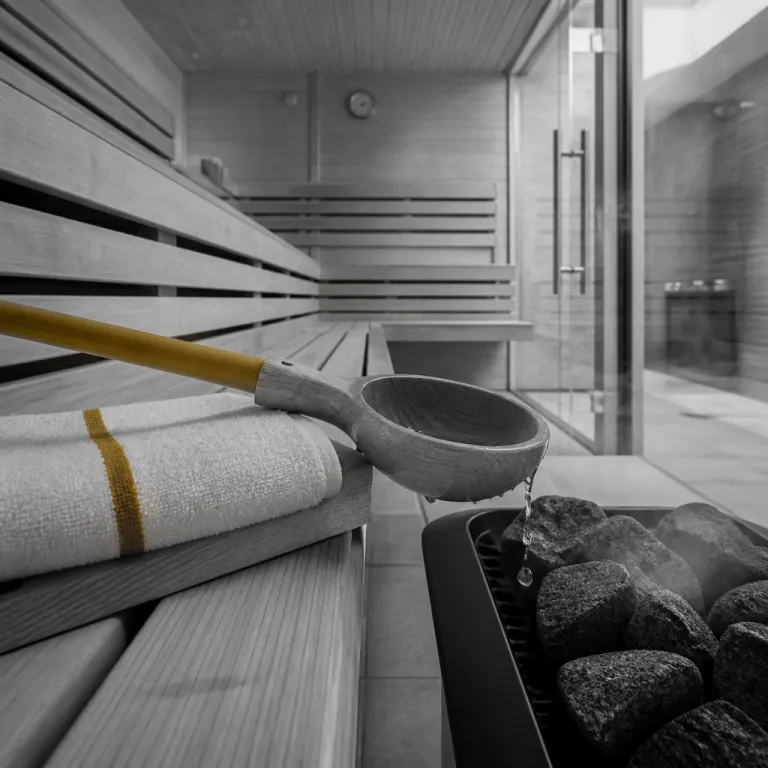
Swiss hotel sauna ritual wellness etiquette for domestic travelers
Step into a Swiss hotel spa and the first thing you notice is the quiet. In a country where sauna customs are shaped by Germanic precision, silence is treated as a shared resource rather than a personal choice, and that changes how people move, breathe, and rest. For a traveler based in Switzerland choosing a hotel, understanding this particular wellness etiquette turns a potentially awkward first visit into a deeply restorative sauna experience.
Across the country, from Zürichsee therme complexes to intimate mountain spa wellness wings, the expectations are clear before you even enter the sauna area. You shower thoroughly, bring towel and robe, leave your phone in the locker, and accept that the sauna etiquette here is textile free in most sauna rooms, with mixed gender nude sauna zones that can surprise first timers. Typical Swiss spa house rules state “Shower before entering sauna.”, “Bring a towel for seating.”, “Refrain from using mobile phones.”, and these simple lines capture the essence of the ritual as it is usually practiced.
Silence is not a stiff social code, it is a wellness tool. In a Finnish style sauna room, temperatures commonly sit around 80–90 °C according to many European spa operators, and recommended sauna time rarely exceeds fifteen minutes, so your mind needs to settle quickly if you want the full benefit of the heat and water circuit. When people respect the quiet, your own sauna sessions feel longer, deeper, and more focused, and the transition from hot to cold water becomes a meditative rhythm rather than a rushed bath between appointments.
Textile rules, naked sauna norms, and how to feel at ease
The first cultural hurdle for many Swiss based travelers is the naked sauna rule. In most German speaking regions, a therme or hotel spa will operate mixed saunas where you sit nude on your towel, and textile free means no swimsuit, no gym shorts, just skin and cotton between you and the hot wood. For some people this feels like a bad idea at first, yet within one sauna session the logic of hygiene, comfort, and equality usually becomes clear.
Staff will expect you to bring towel and flip flops, shower, then enter sauna without any synthetic layers that trap heat and sweat. You sit or lie on your towel so that no part of your body touches the bench directly, which is both respectful and practical in a busy sauna area with high sauna culture standards. If you feel shy in a nude sauna, choose a quieter sauna time, use the upper rooms later, and start with a shorter sauna experience on the lower bench where the air is less hot.
Cold water is the second shock after the naked moment. Between sauna sessions you step into a cold plunge pool, walk through Kneipp style foot bath channels, or stand under an outdoor shower while mountain air wraps around your skin like another element of the ritual. Many of the best thermal hotels on routes such as the classic Swiss thermal spa road trip from Leukerbad to Scuol, described in detail on the dedicated guide at this Swiss thermal spa itinerary, use natural hot springs and icy torrents to create a precise alternation of hot and cold that leaves your circulation humming.
Aufguss choreography, sauna masters, and the art of silence
Once you are comfortable with the textile rules, the real magic of Swiss hotel sauna culture appears during an Aufguss. This is the moment when a trained sauna master enters the sauna room with a bucket of water infused with essential oils, and the entire sauna area shifts from quiet heat to a kind of silent performance. People file in on time, doors close, and the ceremony begins without chatter or phones, because any distraction would break the shared focus.
The sauna master pours water over the hot stones, then uses a towel in sweeping, almost balletic movements to push the hot, scented air through the saunas. In a well run hotel spa wellness programme, you will see a schedule of themed Aufguss sauna sessions, sometimes using alpine herbs in winter, citrus essential oils in warmer months, or even Kneipp inspired sequences that alternate intense heat with guided breathing and precise cold water rituals. Temperatures in these sessions can feel higher than the thermometer suggests, so respecting the recommended sauna time and leaving quietly if you feel overwhelmed is part of good sauna etiquette.
Silence here is not about being strict for its own sake. When thirty people sit nude, eyes closed, breathing in rhythm while hot air rolls over them, the absence of talk allows each guest to track their own body, their own limits, and their own response to heat and water. If you are choosing a refined wellness escape, look for hotels with a curated Aufguss programme, such as those highlighted in the guide to the best spa hotels in Switzerland for a refined wellness escape, because a thoughtful sauna master can turn a simple steam bath into a highlight of your stay.
Mountain views, cold plunges, and the solo sauna circuit
Some of the most memorable Swiss hotel sauna moments happen far from the cities. In Graubünden, Valais, and the Bernese Oberland, glass walled saunas frame glaciers and ridgelines, and the view becomes part of the therapy as you sit naked on your towel watching clouds drift over a 3 000 metre peak. For a solo traveler, this combination of landscape, heat, and silence can feel more intimate than any social spa experience in town.
Mountain hotels often build their sauna area as a circuit, with a dry Finnish sauna room, a gentler Biosauna, a steam bath, and outdoor cold water features that might include plunge pools, snow piles, or even access to a nearby river. You move from hot to cold, from inside rooms to open air terraces, timing your sauna sessions so that your body never tips into exhaustion, and your mind stays clear enough to register every shift in temperature and light. Flip flops are essential on these circuits, not just for hygiene but for safe footing on wet stone between the different rooms and baths.
Traveling alone, you can let your sauna time follow your own rhythm rather than a companion’s schedule. You might choose an early morning nude sauna round when the therme is almost empty, then return after dinner for a final steam bath and foot bath before sleep, using the silence to process the day. If you enjoy pairing wellness with urban culture, you can even structure a weekend where one day is spent in the mountains and the next in a lakeside city, using guides such as the article on elegant ways to enjoy the best things to do in Lugano at this Lugano insider guide to balance spa time with architecture, food, and lakefront walks.
How Swiss sauna culture compares, and how to choose your hotel
For many Swiss residents who know Scandinavian, Turkish, or Japanese bathing traditions, the first encounter with Swiss German sauna culture can feel surprisingly strict. In Scandinavia, family saunas often allow quiet conversation, in a Japanese onsen the focus is on shared bathing in mineral water rather than on a dry sauna room, and in a Turkish hammam the steam bath is social, tactile, and full of sound. By contrast, the Swiss hotel sauna ritual leans into silence, mixed gender nude sauna rules, and a carefully timed alternation of hot and cold water that reflects both Germanic and Kneipp philosophies.
When you book a hotel in Switzerland, read the spa descriptions as closely as you would the wine list. Look for clear information about whether the sauna area is textile free, whether there are separate rooms for families, whether the therme pools are fed by natural hot springs, and how the spa wellness circuit is structured in terms of sauna sessions, steam bath options, and rest rooms. Properties that publish their average sauna temperature, recommended sauna time, and detailed sauna etiquette signals usually have spa staff who take training seriously and will support first time guests with calm, precise guidance.
Typical Swiss spa practice underlines why this matters; silence and phone free spaces are not nostalgic rules, they are tools for mindfulness and mental clarity. “Silence promotes relaxation and mindfulness.”, “Are mobile phones allowed in Swiss spas?”, “Mobile phone use is generally discouraged.”, “What should I bring to a Swiss sauna?”, “A towel for seating and a robe for common areas.” — these lines could be printed on every locker door in the country. Choose hotels where the spa team enforces these standards kindly but firmly, and your own sauna experience will feel less like a set of restrictions and more like a rare chance to be fully present in your body, in the water, and in the quiet.
FAQ
Why is silence so important in Swiss hotel saunas ?
Silence in Swiss hotel saunas is central to the ritual because it allows guests to relax quickly within the recommended fifteen minute sauna session. Without conversation or phones, your attention shifts to breathing, heat, and the contrast between hot and cold water, which enhances both physical and mental benefits. This quiet also respects the shared nature of the sauna room, where people with different needs and thresholds are seeking the same calm.
Are mobile phones allowed in Swiss spa wellness areas ?
Mobile phones are generally banned or strongly discouraged in Swiss spa wellness zones, especially in the sauna area and relaxation rooms. Hotels follow widely accepted spa guidelines that treat digital detox as part of the wellness offer, so you are expected to leave devices in your locker. This policy protects privacy in naked sauna spaces and preserves the silent atmosphere that defines Swiss sauna culture.
What should I bring for a first sauna experience in a Swiss hotel ?
For a first sauna experience, you should bring towel, flip flops, and a robe for moving between rooms, plus a bottle of water to drink before and after your sauna sessions. Most hotels provide towels, but frequent spa guests often prefer to bring their own larger towel for better coverage in a nude sauna. You will also want to plan enough time so you can shower, enter sauna calmly, cool down with cold water or a foot bath, and rest afterwards without rushing.
How long should I stay in the sauna room during one session ?
Swiss spa guidelines typically recommend a sauna time of around ten to fifteen minutes per round in a Finnish style sauna at about 80 to 90 °C. Beginners or sensitive guests can start with eight minutes on a lower bench, then leave quietly if the heat feels too intense. The key is to listen to your body, alternate with cold water or a short bath, and limit yourself to two or three sauna sessions in one visit.
Is nudity always required in Swiss hotel saunas, or are there textile options ?
In many Swiss German hotels, the main sauna area is textile free and mixed gender, which means a nude sauna is the norm, with only a towel between you and the bench. However, some properties offer separate textile saunas, women only rooms, or family hours where swimwear is allowed, especially in larger therme complexes. When booking, check the spa description or contact the hotel directly so you can choose a property whose sauna etiquette matches your comfort level.